
In the pantheon of automotive history, few engineering pivots have been as decisive—or as transformative—as Porsche’s decision to embrace turbocharging. While today the term "Turbo" is synonymous with the pinnacle of the Porsche brand, the technology’s integration into the company’s DNA was born of necessity, grit, and a refusal to be outpaced by American V8 muscle.
Main Facts: The Catalyst for Change
In June 1970, Porsche secured its first-ever overall victory at the 24 Hours of Le Mans. For any other manufacturer, this would have been the climax of a golden era. For the engineers in Weissach, it was merely a platform. Within four weeks of that historic win, Porsche set its sights on the Canadian American Challenge Cup (Can-Am), a series dominated by massive, naturally aspirated open-cockpit prototypes churning out upwards of 790 horsepower.
At the time, Porsche’s 917—the undisputed king of endurance racing—utilized a 4.5-liter flat-twelve producing 572 horsepower. The power deficit was glaring. Rather than chasing displacement or cylinder count, which would have compromised the car’s agility and weight distribution, Porsche turned to forced induction. By installing a turbine in the exhaust stream, they didn’t just close the gap; they redefined the performance limits of the internal combustion engine for the next half-century.
Chronology: From Weissach to Global Dominance
The Birth of the Wastegate (1970–1971)
Turbocharging was not new to the world; it had been a staple of maritime logistics and heavy trucking for decades. However, applying it to a road-racing car was a radical gamble. Racing on oval tracks, where throttle inputs remain constant, masked the fatal flaw of early turbochargers: "turbo lag." On a road course, however, lag is a liability that renders a car undrivable.
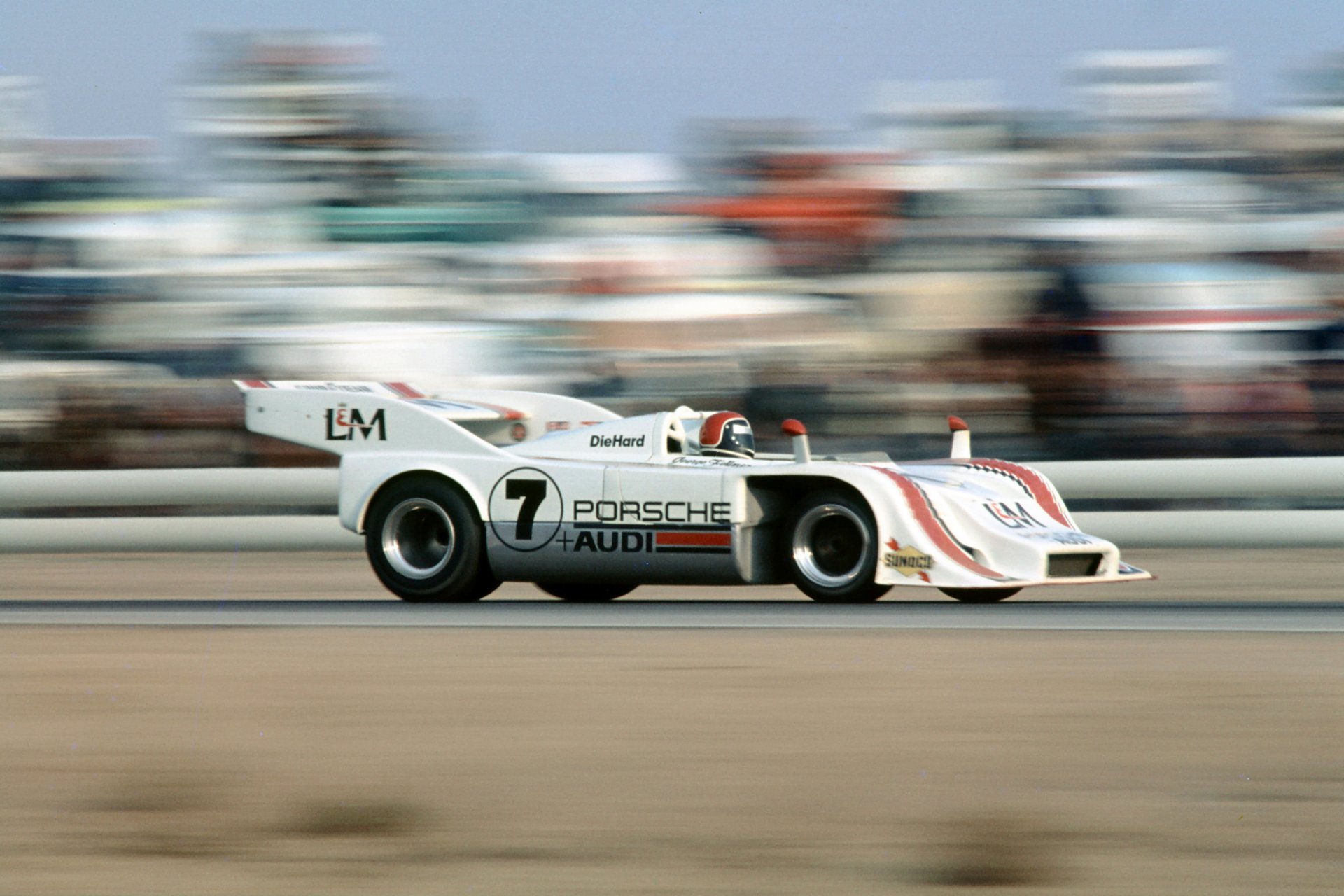
Valentin Schäffer, Porsche’s head of racing engine development, solved this through the implementation of a wastegate. By routing excess exhaust gases around the turbine rather than venting intake air, Schäffer allowed for the use of smaller, faster-spooling turbochargers. This design provided predictable boost pressure and immediate throttle response, effectively eliminating the lag that had crippled previous attempts at performance turbocharging. By July 1971, a 917/10 Spyder fitted with a twin-turbo twelve-cylinder engine was already lapping the Weissach test track, soundly outperforming a prototype 16-cylinder engine that was significantly heavier and longer.
The Can-Am Era and the "Moby Dick" (1972–1978)
The 917/10 Spyder made its competitive debut at Mosport Park in 1972. It was a revelation. Running 986 horsepower, the car secured the series title for George Follmer. The momentum continued in 1973 with the 917/30, which pushed output to 1,085 horsepower, helping Mark Donohue clinch back-to-back championships.
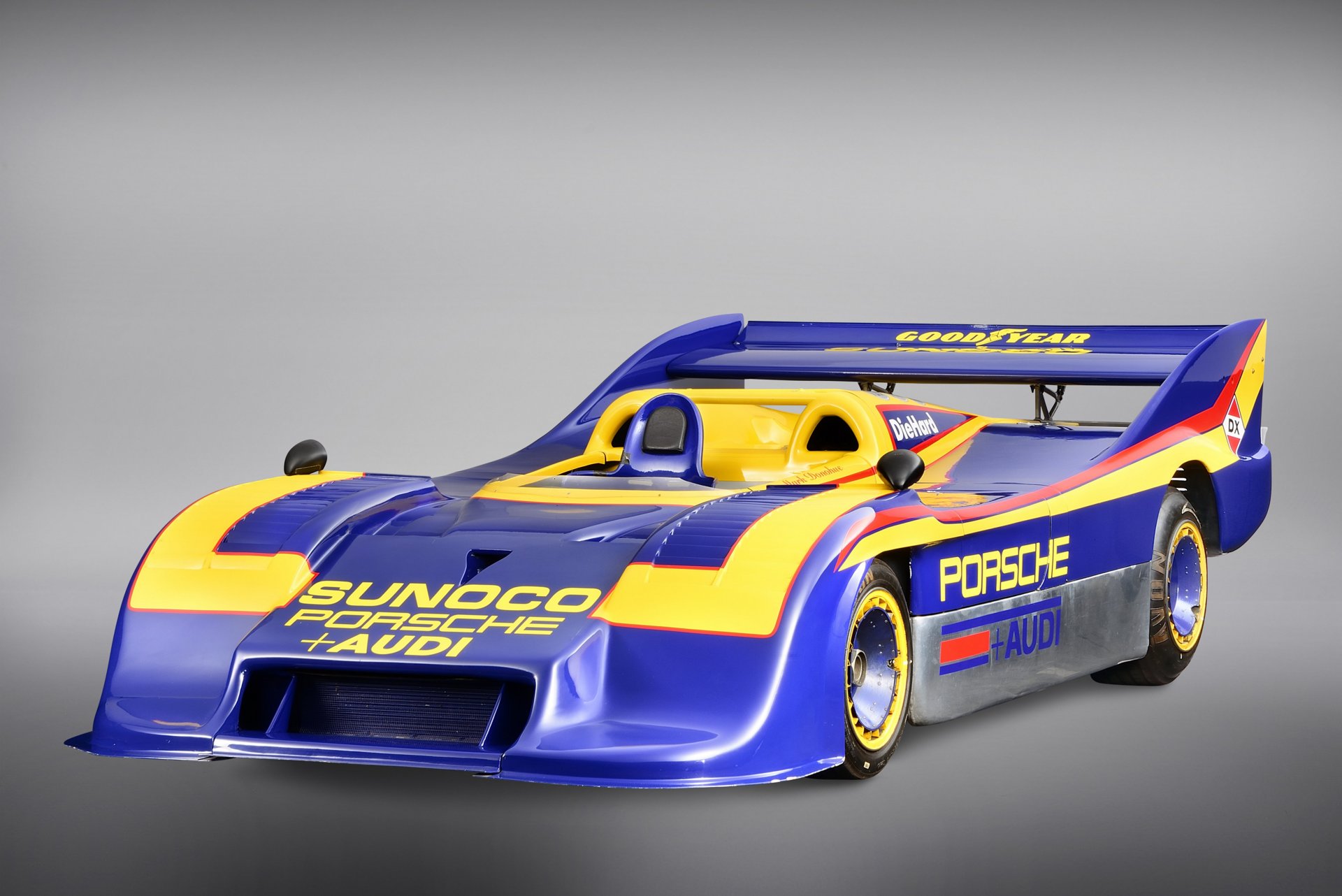
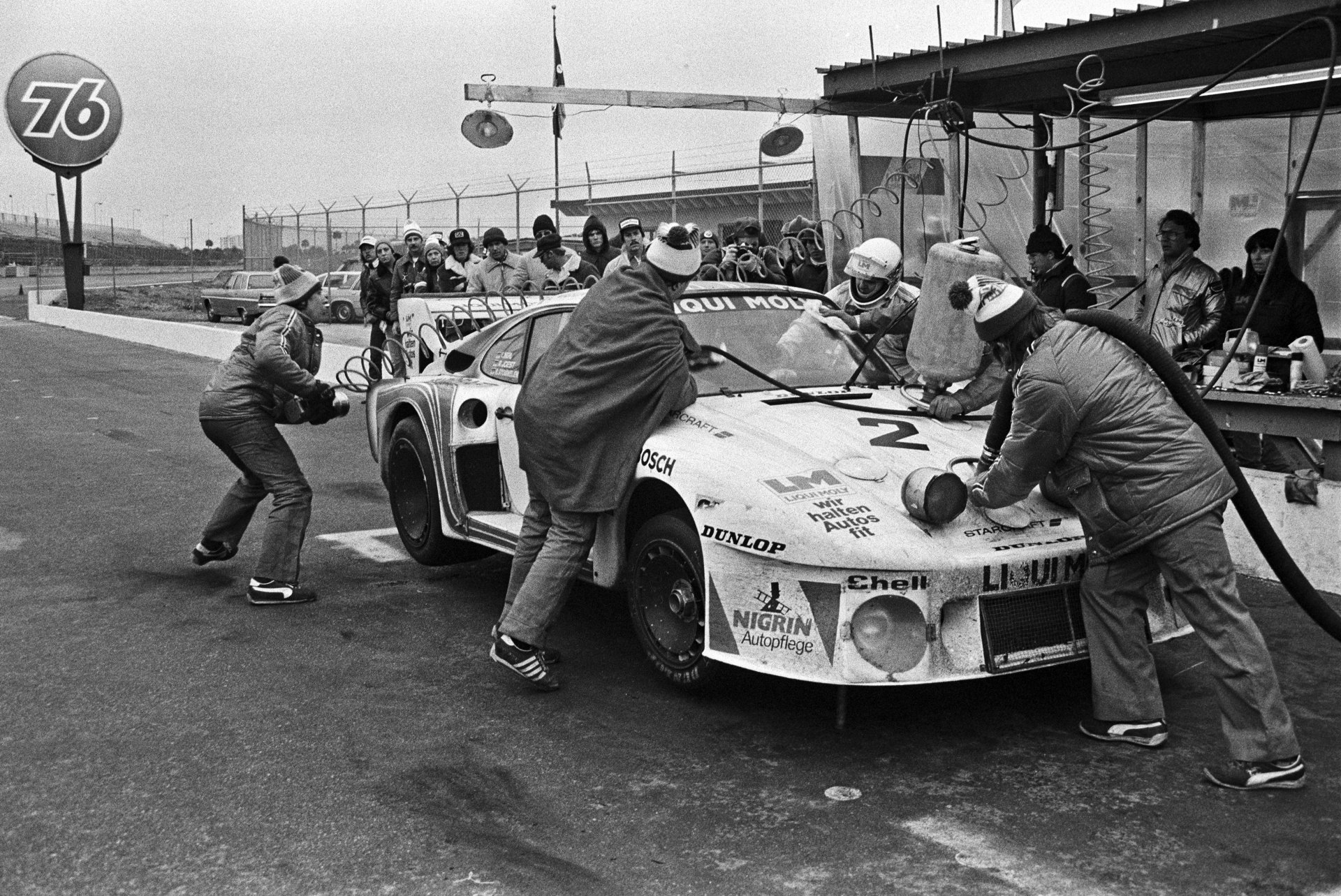
Before bowing out in 1974 due to regulatory changes designed to curb their dominance, the 917/30 cemented its legacy at Talladega in 1975. With 1,213 horsepower on tap, Donohue set a closed-course speed record of 221 mph (355.8 km/h), a feat that remained a benchmark for years. Parallel to this, the 935 series—a silhouette racer based on the 911—perfected the twin-turbo setup, culminating in the "Moby Dick" 935/78, which introduced water-cooled cylinder heads and 833 horsepower.
The Prototype Supremacy (1982–1987)
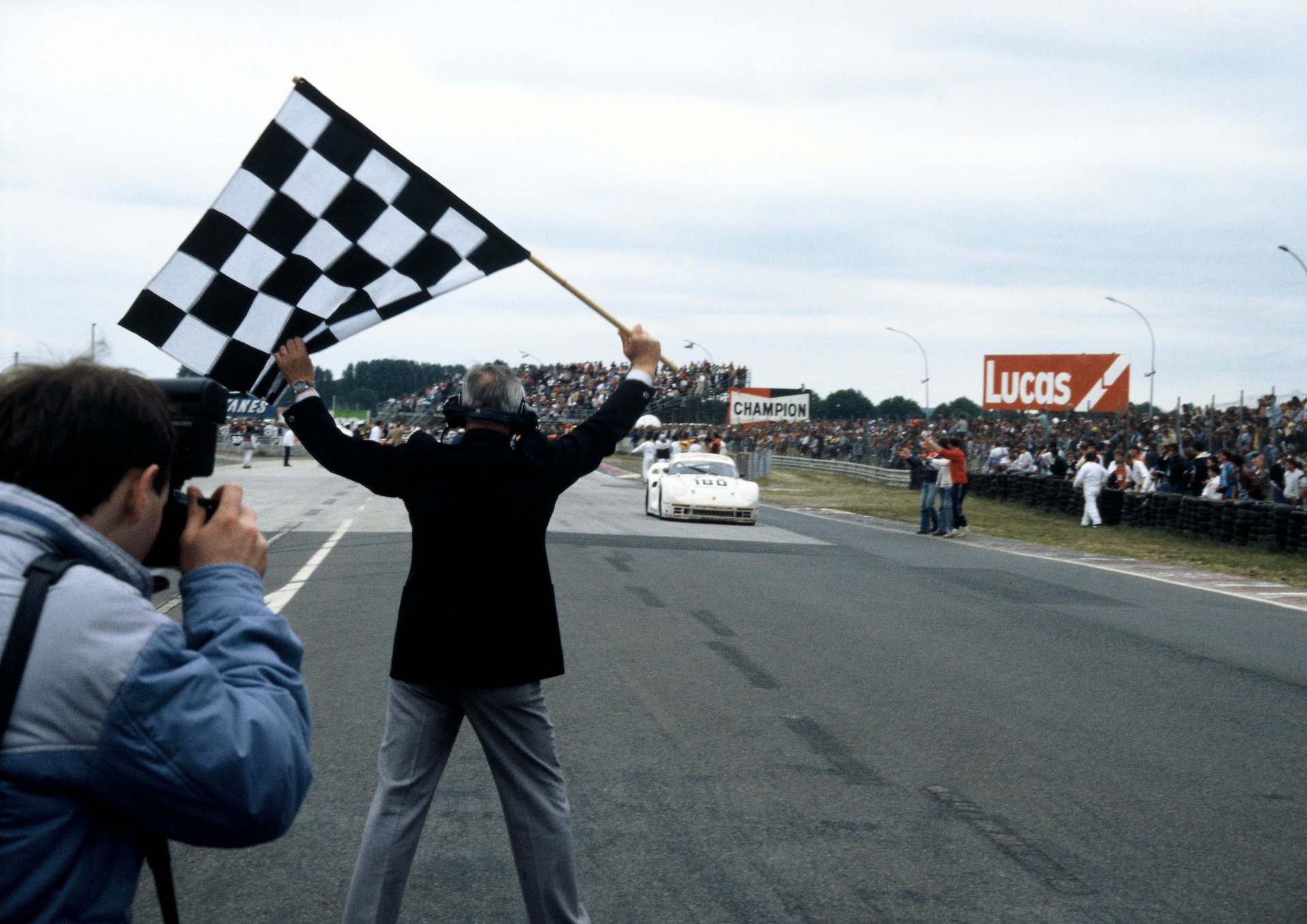
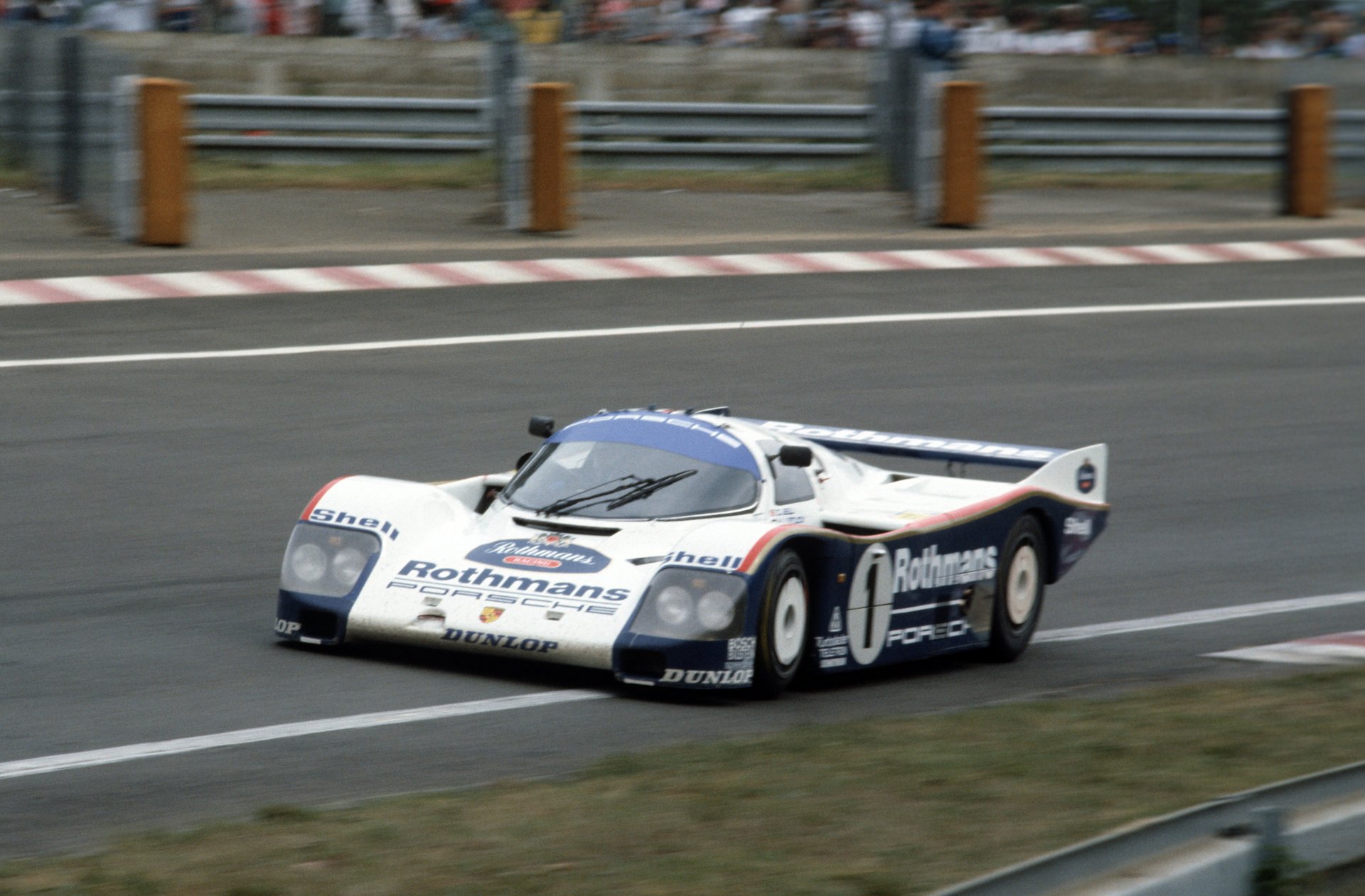
In the 1980s, Porsche shifted focus to the Group C era with the 956 and 962. These cars pioneered ground-effect aerodynamics and Bosch Motronic engine management. Between 1982 and 1987, Porsche won six consecutive Le Mans titles, proving that turbocharging was not just a tool for raw power, but for sustained, reliable endurance.
The Secret F1 Success (1983–1987)
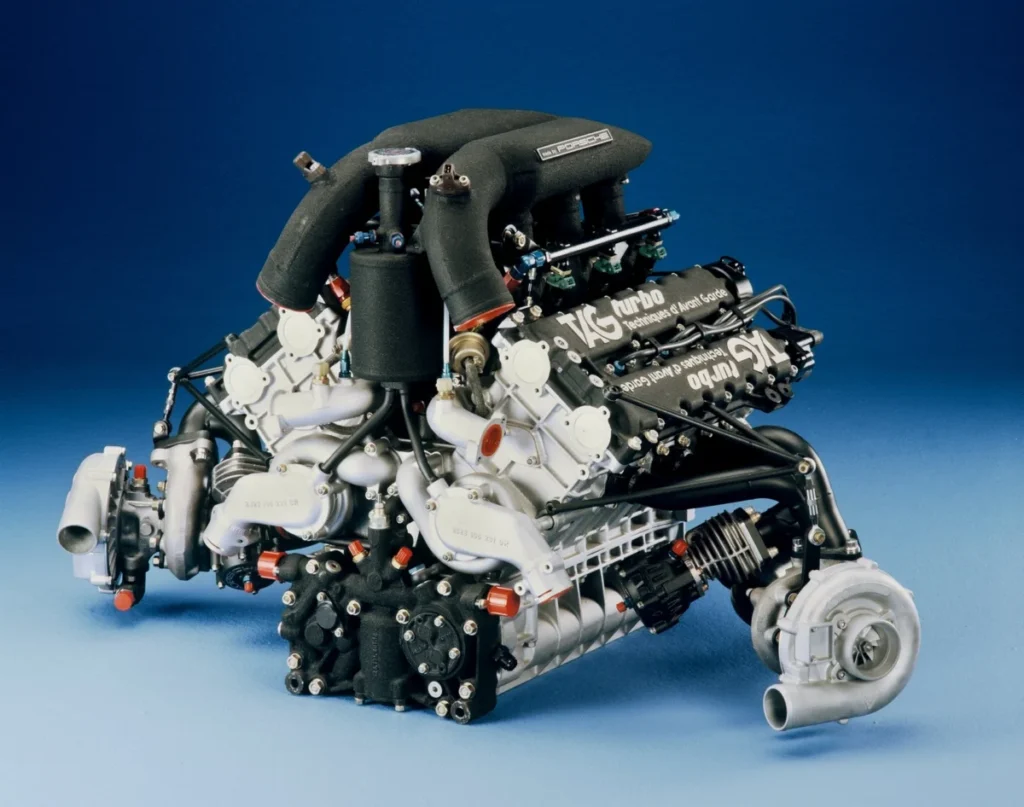
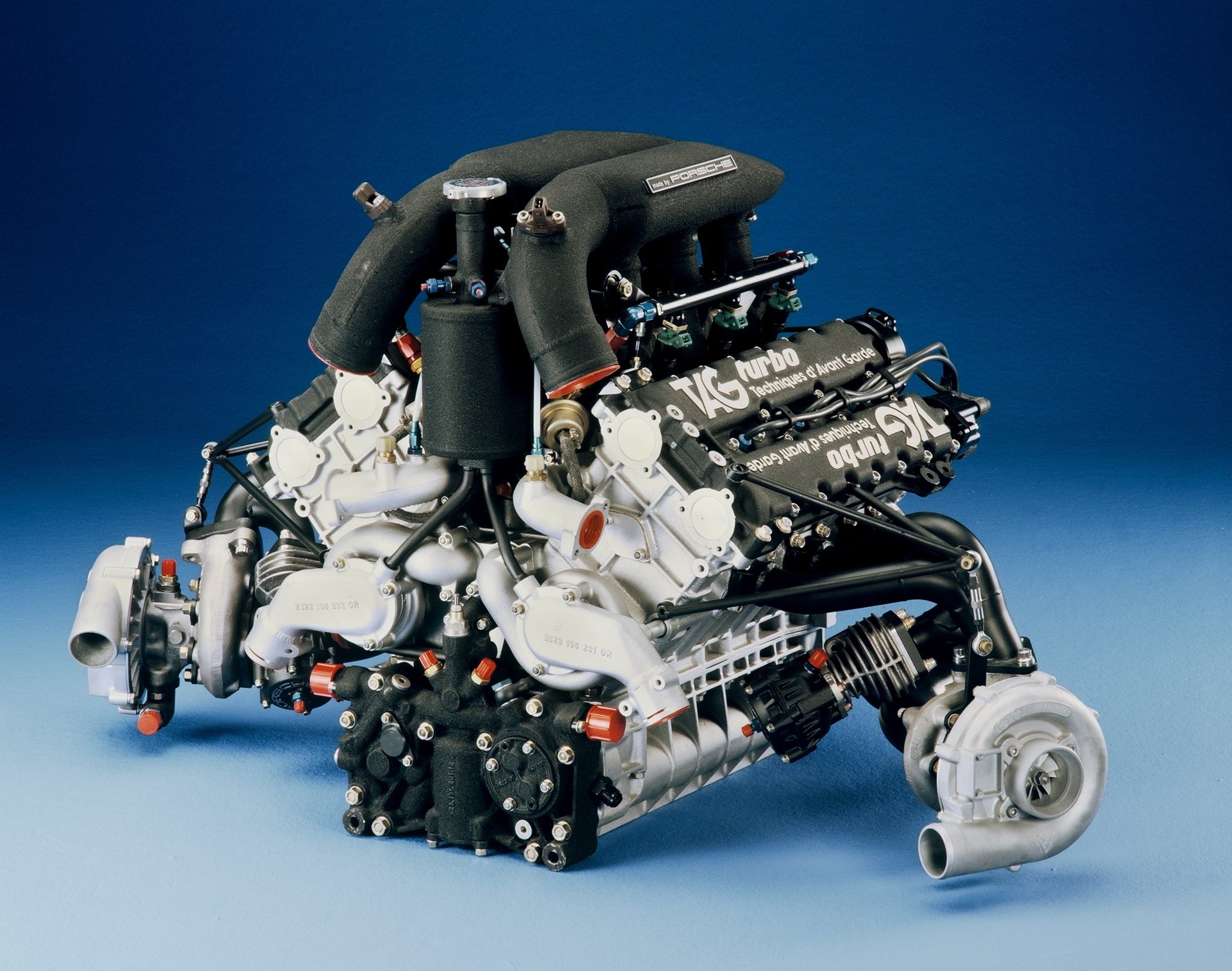
Perhaps the most clandestine chapter of Porsche’s turbo history was its involvement in Formula 1. Under the moniker "TAG," Porsche developed a 1.5-liter twin-turbo V6 for McLaren. While the Porsche name was absent from the badge, the engineering was pure Weissach. The engine won 25 Grands Prix and three consecutive World Championships, showcasing the company’s ability to dominate the most technical racing category in the world.
Supporting Data: Technical Evolution
| Era | Vehicle | Engine | Output |
|---|---|---|---|
| 1970 | 917 (NA) | 4.5L Flat-12 | 572 hp |
| 1972 | 917/10 | 5.0L Twin-Turbo | 986 hp |
| 1973 | 917/30 | 5.4L Twin-Turbo | 1,085 hp |
| 1984 | TAG F1 | 1.5L Twin-Turbo | 937 hp |
| 2017 | 919 Hybrid | 2.0L Turbo + Hybrid | 887 hp |
The technical transition from purely mechanical boost to the hybrid-electric turbocharging of the 919 Hybrid (2014–2017) represents the final evolution of the concept. By using a generator to harvest exhaust energy, Porsche ensured that even as the world shifted toward sustainability, the core philosophy—extracting maximum energy from every combustion cycle—remained the cornerstone of their engineering excellence.
Official Perspectives: What "Turbo" Means Today
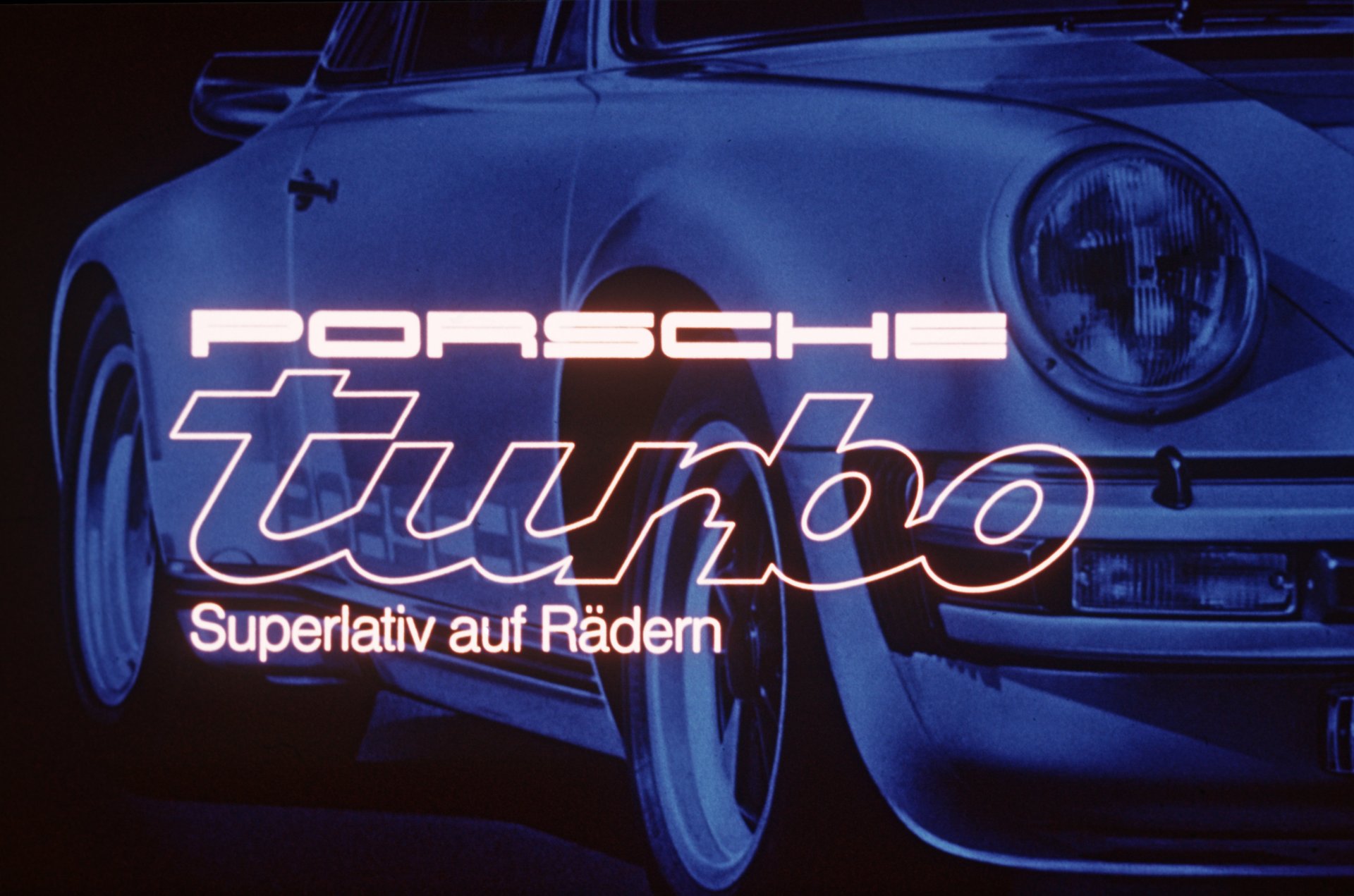
Inside Porsche, the word "Turbo" has transcended its mechanical roots. While the first production 911 Turbo (the 930) in 1974 established the term as a badge of honor for high-performance road cars, the modern era has seen it evolve into a trim level hierarchy.
When Porsche launched the Taycan in 2019, the decision to label the flagship electric models "Turbo" and "Turbo S" sparked debate among purists. However, the company maintains that the nomenclature is no longer about the presence of a turbine; it is about the "tier" of performance. The name has become a symbol of the "top-of-the-line," representing the same relentless drive for speed and technological advancement that the 917/10 brought to Can-Am fifty years ago.
Implications: The Legacy of Forced Induction
The legacy of Porsche’s turbo era is found in almost every modern performance car. The adoption of the intercooler, the mastery of wastegate management, and the integration of electronic engine control were all refined in the heat of competition.
Today, Porsche continues to lead in the hybrid space with the 963 LMDh prototype. The 963 serves as a bridge between the past and the future, utilizing a twin-turbo V8 derived from the 918 Spyder road car. It is a testament to the fact that, regardless of the era, the fundamental physics remain the same: force more air into the chamber, manage the heat, and convert the waste into power.
Fifty years after those first test laps at Weissach, the turbocharger remains the beating heart of Porsche. It is a symbol of a company that does not simply participate in the evolution of the automobile—it dictates it. Whether through the fire-breathing 917 or the silent, electric precision of the modern Taycan, the spirit of the turbo—the relentless pursuit of "more"—remains the defining characteristic of the Porsche identity.