
As global energy markets face persistent volatility and the cost of gasoline continues to climb, a quiet revolution in personal mobility is taking root in the heart of Central America. Costa Rica, a nation often celebrated for its commitment to sustainability, has emerged as an unlikely protagonist in the global electric vehicle (EV) narrative. With gas prices surging past the $6.00-per-gallon mark in early 2026, the country is serving as a definitive case study on the impact of open-market access for Chinese electric vehicles—a stark contrast to the protectionist landscape defining North American and European automotive policy.
The Global Context: A Response to Economic Pressure
The global automotive landscape is currently undergoing a painful realignment. As of mid-2026, fuel prices have experienced a series of aggressive, consecutive weekly spikes. In the United States, the national average has climbed to $4.51 per gallon, leaving consumers reeling. This trend is mirrored across the globe, with little indication of a return to the lower fuel costs of previous years.
For price-sensitive markets in Latin America, Africa, and parts of Asia, this economic pressure has become the primary catalyst for a rapid pivot toward electrification. According to data from the research firm Benchmark Mineral Intelligence, EV sales in these regions soared by 79% in March 2026 compared to the same period in 2025. This follows a robust 48% growth rate throughout the entirety of 2025, signaling that the shift is not a temporary trend but a fundamental change in consumer behavior.
Chronology of the Costa Rican Transition
Costa Rica’s journey toward an electric future was not an overnight development, but rather the result of a decade of legislative foresight and economic necessity.
- 2018: The Costa Rican government initiates a series of tax and fee exemptions for electric vehicles, aimed at lowering the barrier to entry for early adopters.
- 2023–2024: As global fuel prices begin their upward trajectory, the influx of Chinese automotive brands increases, offering competitive pricing that traditional legacy manufacturers struggle to match.
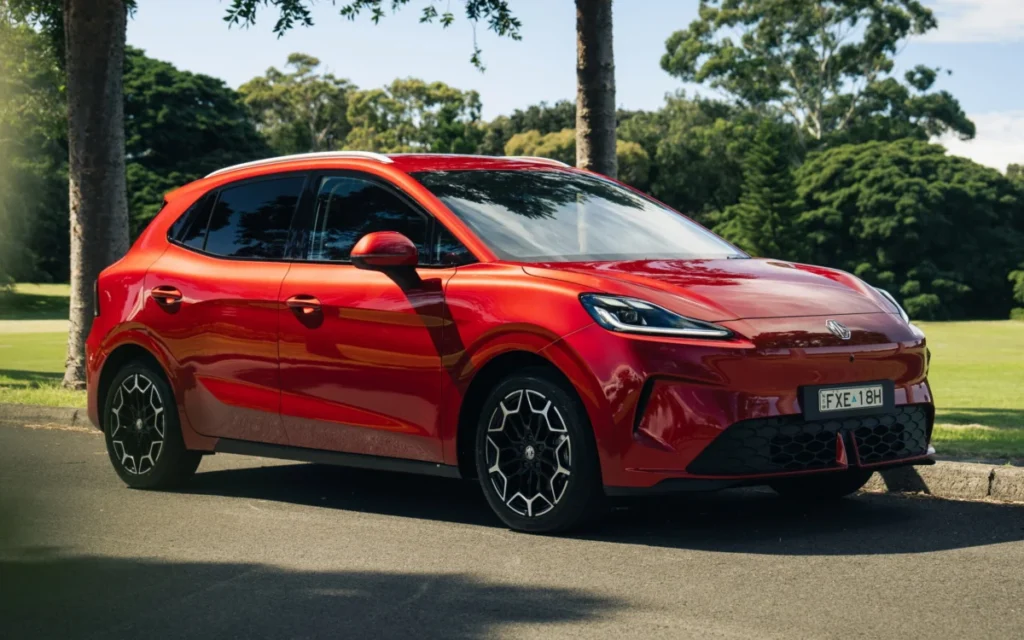
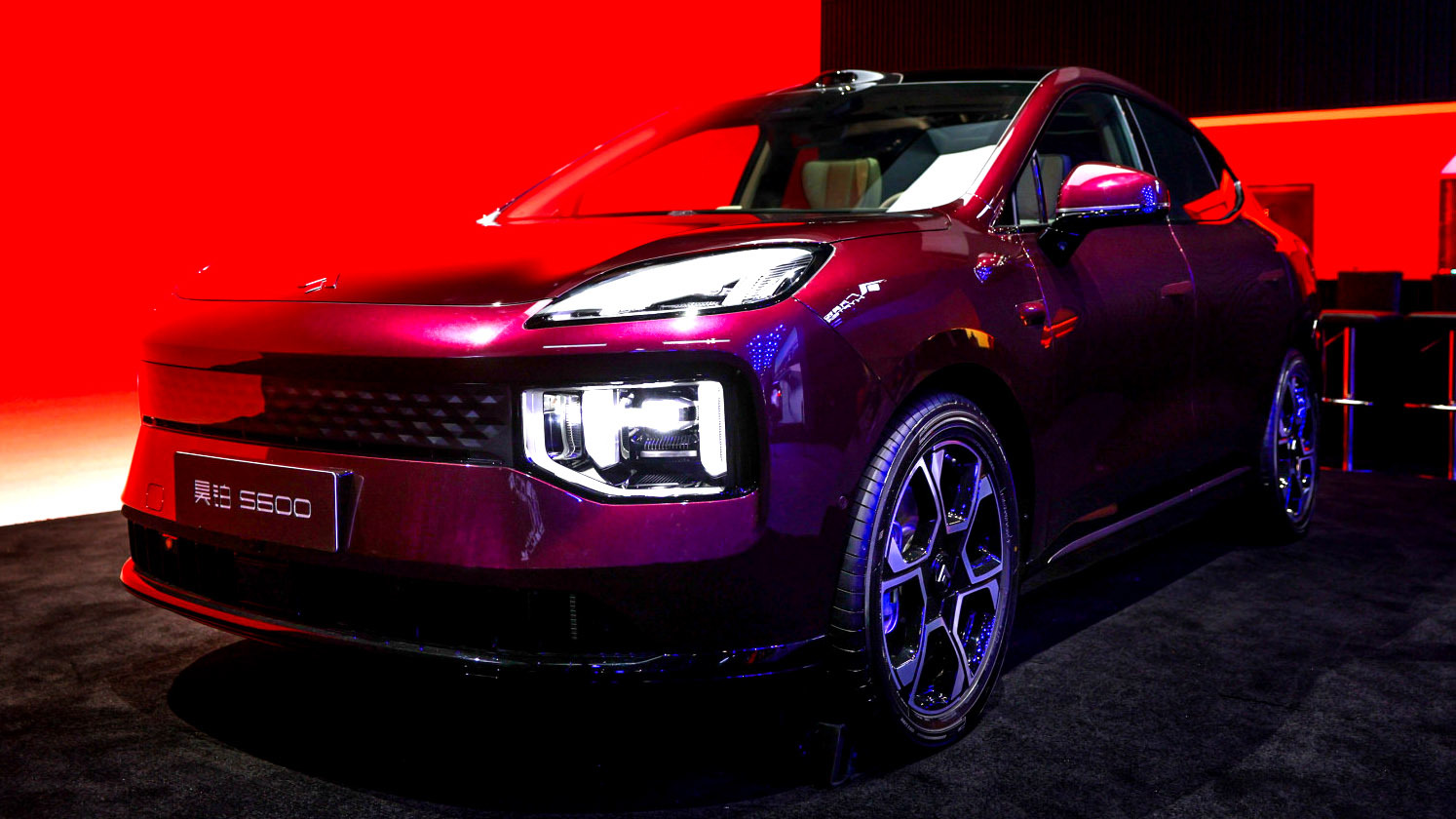
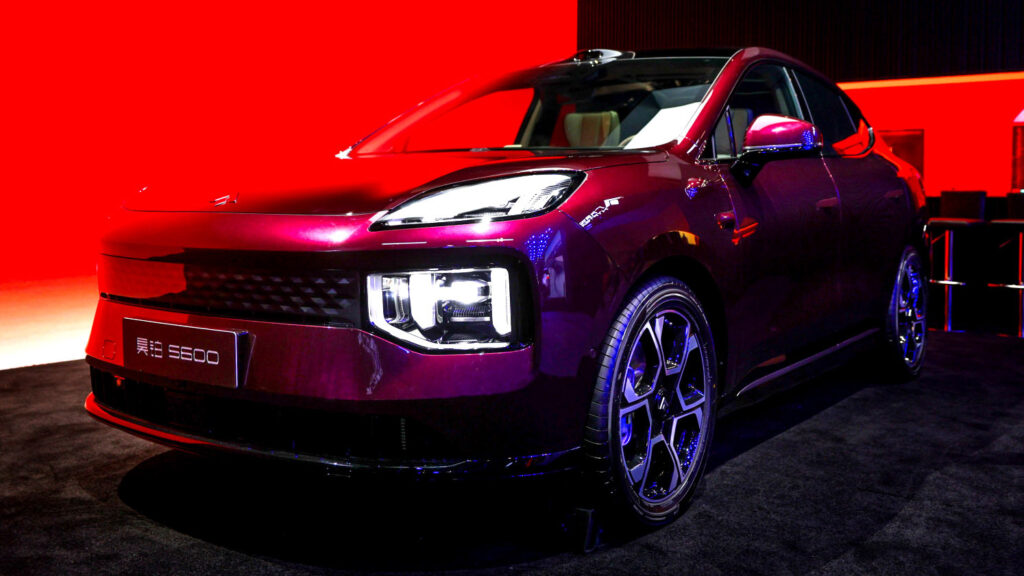
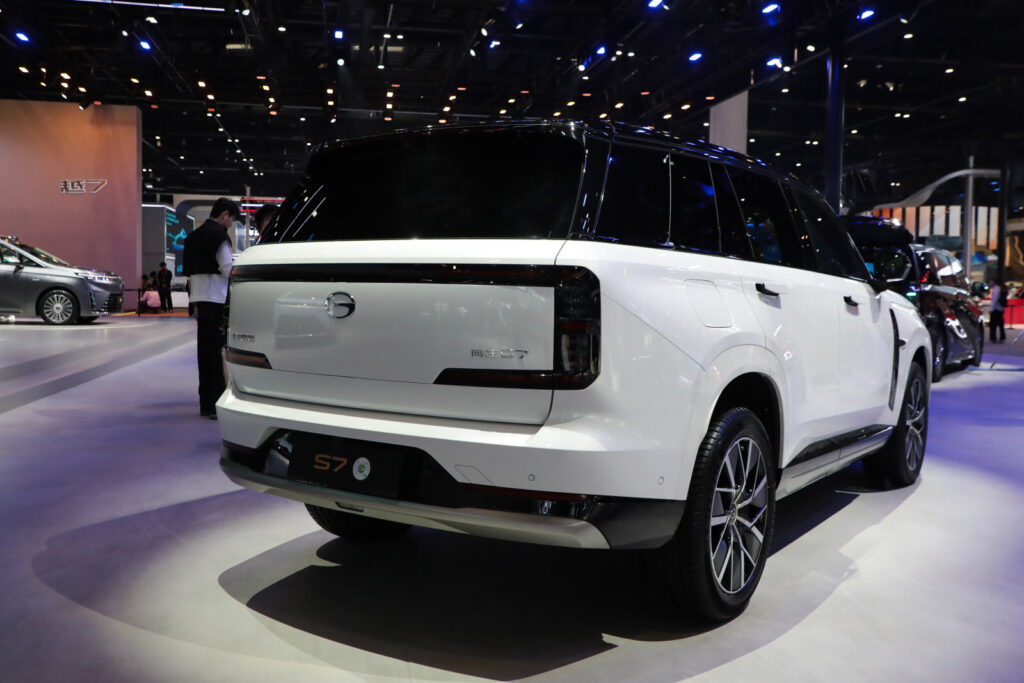
- Early 2025: The "Chinese wave" hits full stride. Brands like BYD and Geely solidify their presence, establishing localized sales networks and after-sales support.
- Q1 2026: EVs capture 18% of all vehicle sales in the country. Legislation is fast-tracked to expand the national charging infrastructure, addressing the growing demand from a surge in new owners.
- May 2026: Following continued pressure on the power grid, government officials move to standardize charging hardware to ensure interoperability between imported vehicles and public stations.
The Economic Engine: Why Chinese EVs Are Winning
The success of Chinese automakers in Costa Rica is driven by a singular, powerful metric: value. While the average per-capita income in Costa Rica is significantly lower than that of the United States—approximately one-quarter of the U.S. level—the market for personal transport remains essential.
A member poll conducted by Asomove, the national electric vehicle association, revealed that 70% of respondents identified cost as the primary motivator for their switch to electric. With at least three Chinese EV models currently retailing for under $20,000, these vehicles provide a high-tech, reliable, and affordable solution to the burden of high fuel prices.

Furthermore, the nature of driving in Costa Rica—often characterized by shorter commutes in dense, stop-and-go urban traffic—plays directly to the strengths of battery-electric platforms. Regenerative braking, which captures energy during deceleration, proves significantly more efficient in city traffic than the combustion engines that suffer from poor fuel economy in the same conditions.
Official Perspectives and Energy Sovereignty
The political appetite for this shift is robust. Kattia Cambronero, a prominent member of the Costa Rican Legislative Assembly, has framed the transition as an issue of national security and economic independence.
"It gives Costa Rica energy sovereignty," Cambronero noted in recent parliamentary sessions. By moving away from a reliance on imported crude oil, the nation insulates its economy from the volatile price fluctuations of the global energy market. This "sovereignty" is bolstered by the country’s unique energy profile, which is already heavily derived from renewable sources.
Legislative efforts led by figures like Cambronero have moved beyond simple tax breaks, now focusing on the rapid deployment of charging infrastructure. Last month, new legislation was passed to fast-track the construction of charging hubs across the country, a vital step in ensuring that the adoption rate does not outpace the available support network.
Supporting Data: The Infrastructure Challenge
Despite the enthusiasm, the transition is not without growing pains. The infrastructure gap remains the most significant hurdle for Costa Rican authorities.
The reliance on imported vehicles from diverse Chinese manufacturers has led to a fragmented charging experience. At popular transit points, such as the Croc Skywalk tourist destination south of San José, there have been reports of high-capacity chargers remaining idle simply because the connector standards did not align with the influx of newer Chinese models.
Furthermore, the national power grid is under scrutiny. As the number of EVs increases, the added load on local transformers and the national grid has sparked concerns among energy planners. Integrating these vehicles into a smart grid that can handle high-demand periods is the next major hurdle for the government.
Global Implications: A Tale of Two Policies
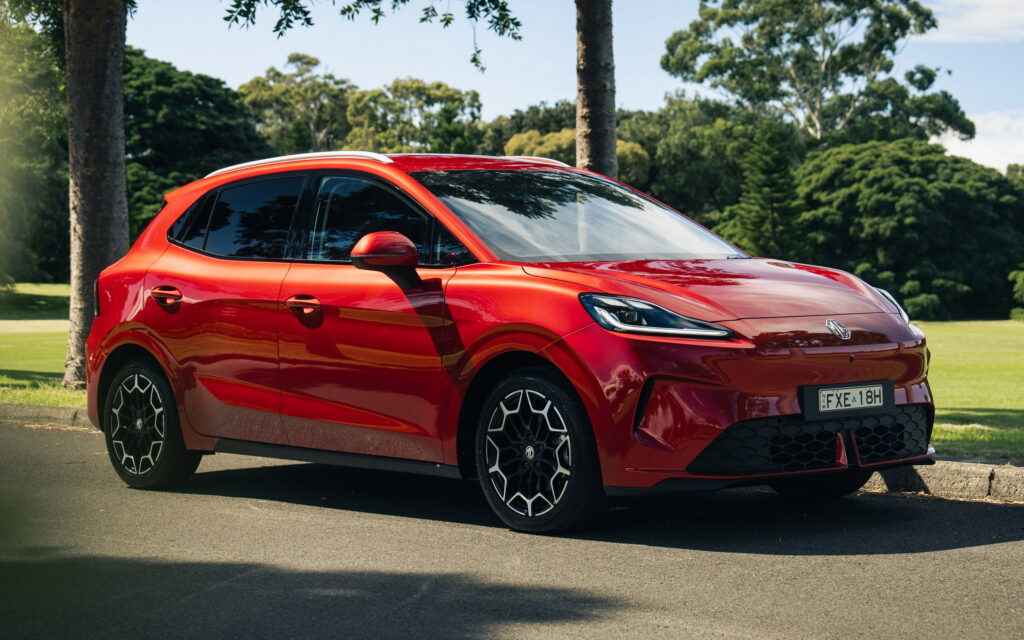
Costa Rica’s market serves as a "control group" for the global EV debate. Because the country does not currently impose the heavy protectionist tariffs seen in the U.S. or the European Union, it provides a clear picture of consumer preference when market forces are allowed to operate without state-imposed price inflation.
In the United States, the absence of these inexpensive Chinese vehicles is a direct result of bipartisan political consensus, which views the influx of such vehicles as a threat to domestic industry and national data security. However, this creates a "mobility divide." While U.S. consumers are often forced to choose between premium-priced EVs or continuing to pay for expensive gasoline, the rest of the world is rapidly moving toward a future where electric mobility is an accessible commodity.
Future Outlook
The trajectory of the Costa Rican market suggests that once a price-to-value threshold is crossed, the adoption of EVs becomes inevitable, regardless of political discourse. With billions of people in developing and emerging markets currently facing the same cost-of-living challenges as the average Costa Rican, the "Chinese model" of affordable, mass-market electrification is likely to define the next decade of automotive history.
As the country continues to refine its grid, standardize its charging ports, and expand its incentive programs, it serves as a beacon for other nations. The lesson from San José is clear: when the barrier to entry is lowered, and when the financial incentives are aligned with the daily economic realities of the average citizen, the switch to electric becomes not just a moral or environmental choice, but a logical, necessary, and unstoppable economic one.
The question remains: will the rest of the world follow this path, or will the divide between protected, expensive markets and open, affordable ones continue to widen? For now, the drivers on the roads of Costa Rica have already provided their answer.