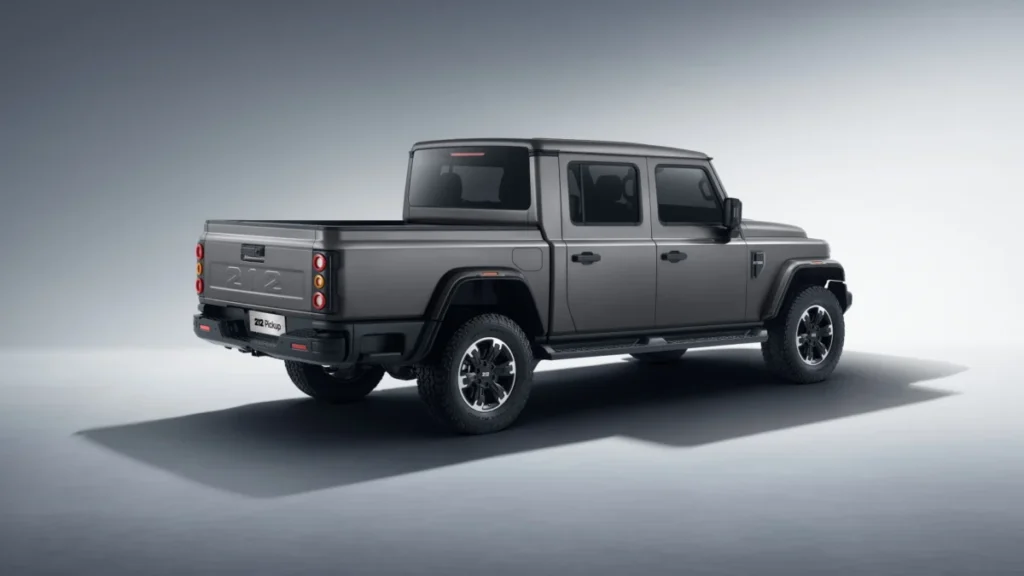

In the automotive landscape, few design languages are as evocative or as instantly recognizable as the boxy, utilitarian silhouettes of mid-century off-roaders. For years, enthusiasts have lamented the disappearance of the traditional, no-nonsense pickup truck—the kind that prioritizes mechanical simplicity and go-anywhere capability over aerodynamic efficiency. While the modern Land Rover Defender has evolved into a sophisticated luxury SUV, the void left by its predecessor’s pickup variant remains unfilled. Enter the BAW 212, a bold new contender from China that aims to bridge the gap between vintage charm and modern performance. Now arriving in Europe via German importer Indimo Automotive, this machine is turning heads for its brazenly familiar aesthetic and its promise of serious, unadulterated off-road utility.
The Genesis of the BAW 212: A Design Hindsight
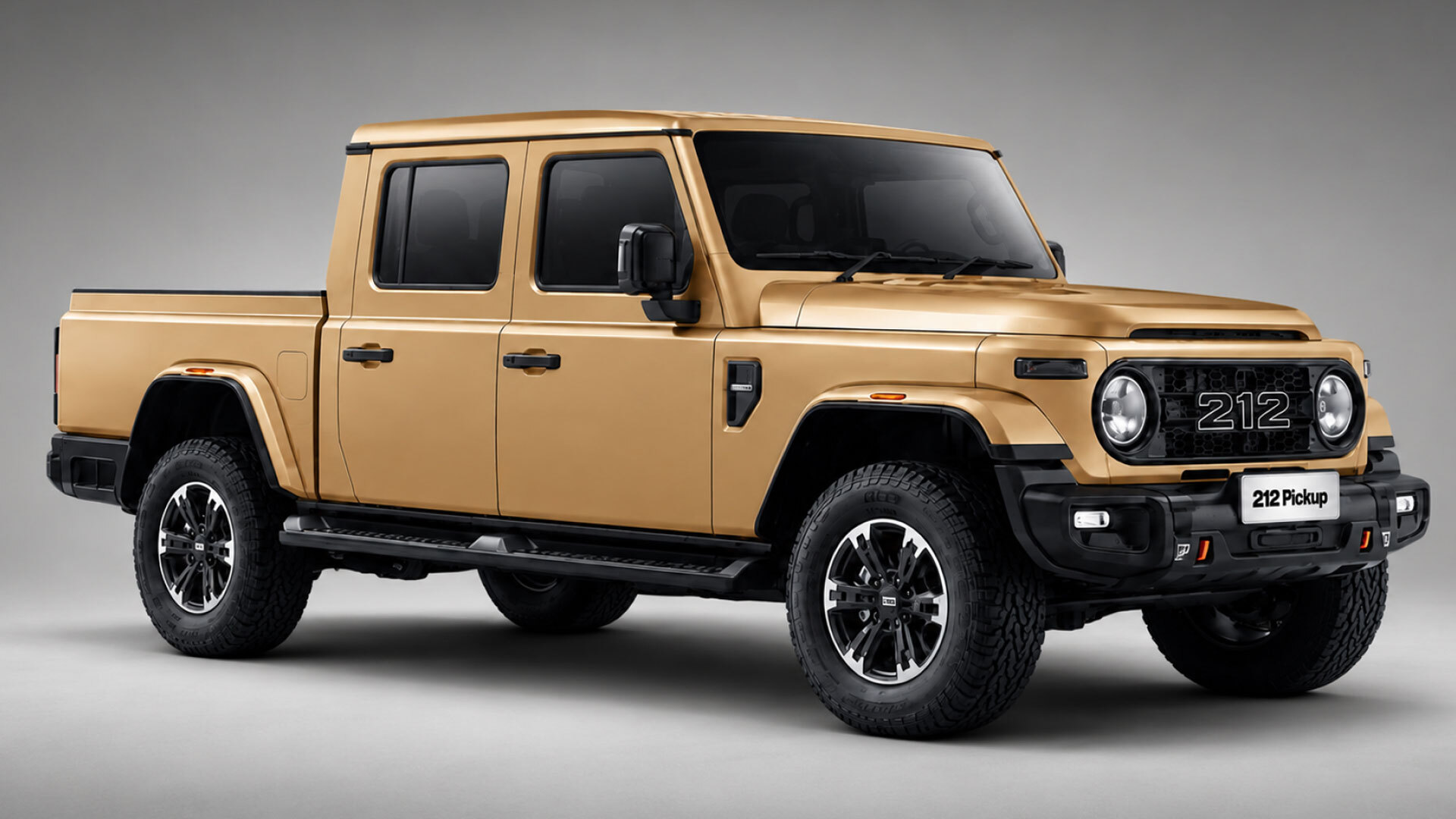
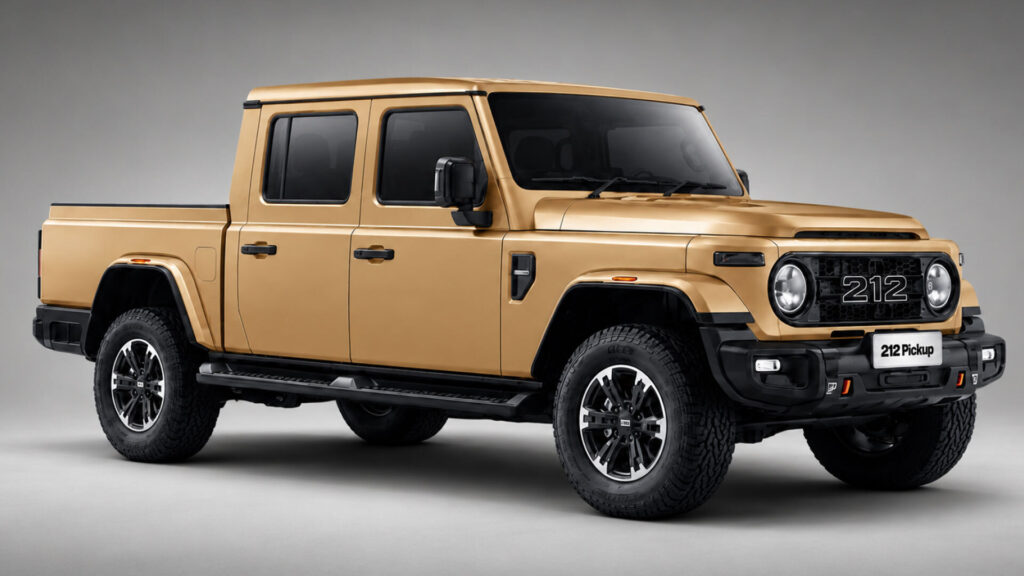
The BAW 212 does not attempt to hide its influences; it wears them like a badge of honor. To the casual observer, the truck presents a striking synthesis of automotive history. The side profile and cab structure are unmistakably reminiscent of the classic Land Rover Defender, echoing the iconic verticality and crisp lines that defined an era of adventure. However, look toward the front fascia, and the inspiration shifts to the legendary Toyota Land Cruiser FJ40, complete with its purposeful, rugged stance.
This design is a deliberate nod to the "golden age" of 4x4s. Yet, beneath the nostalgic sheet metal lies a thoroughly modern engineering philosophy. The vehicle features circular LED headlights that provide a contemporary glow, integrated rain-sensing wipers, and aggressive fender flares that mirror the spirit of the Jeep Gladiator. While purists may argue about the originality of the design, the market response suggests that there is a significant appetite for this "heritage-look" engineering.
Chronology: From Chinese Roads to European Trails
The journey of the BAW 212 from a domestic Chinese product to a European-bound export is a testament to the shifting tides of the global automotive industry.
- Initial Development: BAW (Beijing Automobile Works) focused on refining the 212 platform to meet the demands of modern consumers who require high off-road capability without sacrificing everyday comfort.
- Strategic Partnership: Recognizing the difficulty of navigating European homologation standards, BAW partnered with Indimo Automotive, a German importer with extensive experience in bringing niche international vehicles to the European market.
- Technical Adaptation: To suit European tastes, the vehicle underwent extensive testing to ensure it complied with strict safety and emissions regulations. This included the integration of a refined turbodiesel engine and a sophisticated infotainment suite.
- Market Entry (2026): With the formal announcement of its European launch, the BAW 212 is currently positioned to challenge established players like the Ford Ranger and the Toyota Hilux, offering a unique value proposition that prioritizes "raw" off-road hardware over digital bells and whistles.
Technical Specifications: Built for the Wild
At the heart of the BAW 212 is a robust 2.3-liter turbodiesel engine. Producing 188 horsepower (140 kW) and a substantial 369 lb-ft (500 Nm) of torque, the engine is tuned for low-end grunt rather than high-speed sprints. It is paired with an eight-speed automatic transmission and a sophisticated all-wheel-drive system, allowing the truck to reach a governed top speed of 99 mph (160 km/h).
However, the true brilliance of the 212 lies in its chassis. It utilizes a classic ladder-frame construction, the gold standard for durability in extreme conditions. Unlike many modern "soft-roaders," the 212 features true rigid axles, providing the articulation needed for challenging terrain. Furthermore, the inclusion of locking front, center, and rear differentials is a standout feature, ensuring that power is distributed precisely where it is needed most.

With 9.8 inches (250 mm) of ground clearance—surpassing even the Ford Ranger Wildtrak—the 212 is physically equipped to tackle obstacles that would leave lesser vehicles stranded. To manage this capability, the vehicle comes equipped with an extensive suite of drive modes: Standard, Eco, Sport, Snow, Sand, Rock, Mud, Wading, Mountain, and Bumpy. These modes are supported by a 360-degree camera system, ensuring that even in the tightest of trails, the driver maintains total situational awareness.
Interior Comfort: Where Utility Meets Technology
While the exterior screams "expedition," the cabin is a surprisingly modern environment. BAW has opted for a blend of functional ruggedness and current-generation technology. The driver is greeted by a 10.25-inch digital instrument cluster and a 12.3-inch central infotainment screen, which supports both Android Auto and Apple CarPlay.
The interior design language favors physical switchgear, ensuring that key functions can be adjusted even while wearing gloves or navigating bumpy terrain. The seats, finished in high-quality artificial leather, are heated and ventilated, with the driver’s side boasting 10-way power adjustment. Further amenities include dual-zone automatic climate control, a wireless smartphone charging pad, and an eight-speaker audio system. It is a cabin designed for the modern user who expects to spend long hours on the road—or off it—in comfort.
Comparative Data: The Value Proposition
When comparing the BAW 212 to its primary competition in the European market, the financial implications become immediately clear.
| Feature | BAW 212 | Ford Ranger (Double Cab) | Toyota Hilux |
|---|---|---|---|
| Engine | 2.3L Turbodiesel | Varies (2.0L – 3.0L) | 2.4L – 2.8L Diesel |
| Ground Clearance | 9.8 inches | Lower | Lower |
| Starting Price (Incl. VAT) | €41,995 | €46,590+ | €46,386+ |
The pricing strategy adopted by Indimo Automotive is aggressive. At €41,995, the BAW 212 significantly undercuts the entry-level pricing of its most established rivals. For small businesses, agricultural operators, and outdoor enthusiasts who require a vehicle that is "built to work" rather than "built to show," the cost-to-capability ratio of the 212 is difficult to ignore.
Official Responses and Strategic Positioning
Indimo Automotive has positioned the 212 not as a luxury vehicle, but as a "robust, honest tool." In a statement regarding the launch, spokespeople for the importer highlighted that "the market has become flooded with SUVs that are afraid of the dirt. The BAW 212 is a return to the roots of what a truck should be: a reliable partner for those who need to get the job done, regardless of the terrain."

Industry analysts have noted that the 212 serves a dual purpose. For BAW, it is a flagship of their engineering capability; for Indimo, it is a way to capture the "lifestyle truck" segment that has grown rapidly in the wake of the pandemic, as more consumers look for vehicles that can facilitate off-grid travel and remote work.
Implications for the Global Market
The arrival of the BAW 212 in Europe carries significant implications for the automotive industry. First, it signals that the Chinese automotive sector is increasingly capable of producing vehicles that meet the stringent quality and safety expectations of the European market. By adopting a "retro-modern" aesthetic, they have successfully tapped into a design language that resonates globally, bypassing the skepticism often associated with new, unknown brands.
Second, the success of the 212 may force legacy manufacturers to rethink their pricing models. If a high-capability, well-equipped truck can be delivered at a significantly lower price point, the justification for premium pricing on "heritage" brands becomes harder to maintain.
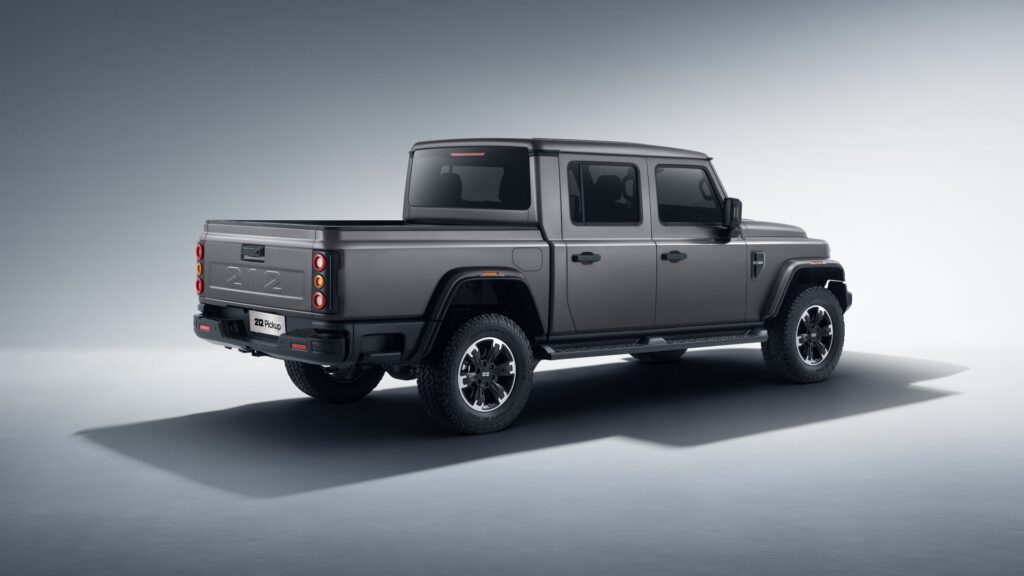
Finally, the 212 represents a shift in consumer behavior. We are witnessing a cooling of the "tech-heavy" obsession in favor of "hardware-heavy" reliability. The move toward locking differentials, ladder-frame chassis, and simple, durable mechanicals suggests that the next generation of truck buyers values longevity and physical capability over the mere presence of advanced driver-assistance systems.
Conclusion: A Future Built on the Past
The BAW 212 is a fascinating case study in automotive evolution. By looking back to the iconic shapes of the Land Rover Defender and the Toyota Land Cruiser, BAW has created a vehicle that feels familiar yet entirely fresh. It offers a solution for those who are tired of the "homogenized" look of modern crossovers and want something with character, substance, and actual off-road prowess.
Whether the 212 will achieve long-term success in the competitive European market remains to be seen. However, by combining high-end off-road tech with a competitive price point, the vehicle has positioned itself as a serious disruptor. For the buyer who wants to blend the nostalgia of the past with the convenience of the future, the BAW 212 offers a compelling, rugged path forward. As it begins to appear on trails and motorways across Europe, it will undoubtedly prove that sometimes, the best way to move forward is to look back.