

When your vehicle is involved in a significant accident or declared a total loss, the subsequent interaction with an insurance adjuster can feel like an uphill battle. Many policyholders accept the initial settlement offer, assuming it is the final word. However, insurance adjusters are tasked with minimizing company payouts, often leading to initial valuations that do not reflect the true market value of your vehicle. By understanding the claims process and arming yourself with precise documentation, you can advocate for a settlement that is both fair and reflective of your car’s actual worth.
The Reality of Insurance Adjustments: Main Facts
At the core of the insurance claim process is the "Actual Cash Value" (ACV) of your vehicle. This figure represents the amount your car was worth immediately before the accident, factoring in depreciation, condition, and mileage.
It is a common misconception that an insurance adjuster’s offer is non-negotiable. In reality, negotiation is a standard component of the claims process. Adjusters utilize automated software to generate a baseline value, but this software often misses localized market nuances, recent aftermarket upgrades, or the pristine condition of your vehicle. Your goal is to bridge the gap between their automated estimate and the real-world cost of replacing your vehicle with a comparable one.
The Chronology of an Effective Claim
Successfully negotiating your settlement requires a structured, methodical approach. Following these steps chronologically ensures you maintain the upper hand throughout the process.
Phase 1: Immediate Post-Accident Due Diligence
The foundation of your negotiation begins at the scene. Your priority is safety, followed immediately by documentation. Exchange contact details, insurance information, driver’s license numbers, and plate information with the other party. Record the exact time, location, and weather conditions.
Phase 2: Comprehensive Documentation
Once the dust settles, your documentation acts as your primary evidence. Snap high-resolution photos of the vehicle’s exterior and interior. Focus on the damage, but also capture the car’s condition before the impact, highlighting features like new tires, a clean interior, or low-mileage indicators.

Phase 3: The Formal Investigation
Secure a police report. This document is often the "gold standard" for insurers when determining fault and the circumstances of the loss. An official report prevents the "he-said-she-said" scenario and provides a neutral account that can support your claim if the insurance company tries to lowball your payout based on disputed liability.
Phase 4: Comparative Market Analysis
Before engaging in heavy negotiation, you must know the market. Research the sale prices of identical makes, models, and years in your specific region. Use reputable platforms like Kelley Blue Book, NADA Guides, and local classifieds to build a portfolio of "comparable vehicles." If similar cars are selling for $2,000 more than the adjuster’s offer, you have the empirical evidence needed to request an adjustment.
Phase 5: The Negotiation Dialogue
When you receive the initial offer, do not accept it immediately. Thank the adjuster for their time, request a copy of the valuation report, and then state clearly that you need time to review the data. Once you have reviewed their report, present your evidence—the market comparisons, the receipts for recent repairs, and your photos—to explain why their assessment is undervalued.
Supporting Data: Why Evidence Matters
Insurance adjusters are bound by policy guidelines and internal metrics. To successfully challenge them, you must provide data they can input into their own systems.
Repair Estimates: Always obtain at least two independent repair estimates from reputable body shops. These estimates provide a baseline for the cost of restoration, which serves as a powerful lever when the insurance company argues that a repair is "too expensive" or that the car is a total loss.
The "70/30" Communication Rule: In high-stakes negotiations, the person who speaks less often gains more information. Practice the 70/30 rule: listen for 70% of the conversation and speak for 30%. By allowing the adjuster to explain their reasoning, you can identify flaws in their logic and tailor your counter-argument specifically to those weaknesses.
Understanding the "Total Loss" Logic
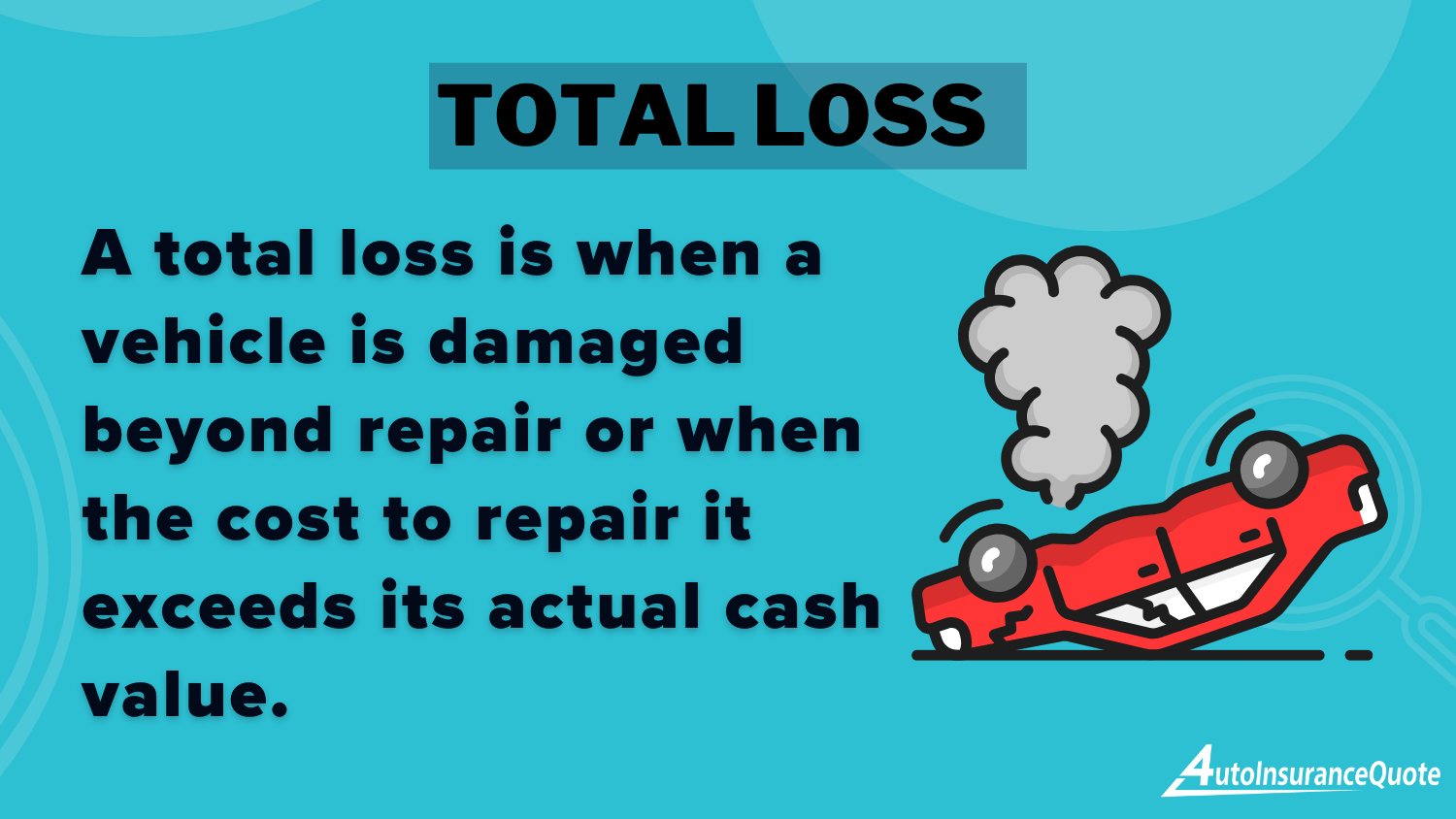
If your car is totaled, the insurer is obligated to pay the ACV. However, the calculation often ignores sales tax, registration fees, and transfer costs associated with replacing your vehicle. When you negotiate, ensure you include these "hidden" costs in your counter-offer. You are not just looking for the price of the car; you are looking for the total cost required to put you back in the position you were in before the accident.
Official Perspectives and Industry Standards
According to licensed insurance professionals, the biggest mistake claimants make is rushing the process. "Don’t let the urgency of needing a vehicle force you into a suboptimal settlement," says Justin Wright, a licensed insurance agent. "The adjuster is an employee of the insurer; your best interest is not their primary KPI. Your thoroughness in tracking every conversation and every document is the only way to ensure the settlement is accurate."
Furthermore, if you find that the insurance company is acting in bad faith or refuses to engage with legitimate evidence, you have the right to file a complaint with your state’s Department of Insurance. This regulatory oversight often encourages insurers to resolve disputes more equitably.
Implications of a Successful Negotiation
Securing a fair settlement has long-term financial implications. A higher payout allows you to purchase a safer, more reliable replacement vehicle, potentially lowering your long-term maintenance costs and insurance premiums. Conversely, accepting an artificially low offer forces you to dip into your savings to afford a replacement, effectively penalizing you for an accident that was not your fault.
Frequently Asked Questions (FAQs)
How do I know if an insurance offer is fair?
A fair offer should align with the current market value of your vehicle in your specific geographic area. Compare the offer against listings for similar cars on major automotive sales websites. If the offer is significantly lower than the average list price, it is likely undervalued.
What should I do if the adjuster refuses to budge?
If you have provided ample evidence and the adjuster remains firm, request to speak with their supervisor. If that fails, consider formal mediation or filing a complaint with your state’s insurance commissioner. In some cases, legal consultation may be necessary.
Can I choose where my car is repaired?
In most jurisdictions, you have the right to choose your own repair shop. While insurers may recommend "preferred" shops to keep costs down, you are not legally obligated to use them. Ensure your chosen shop is reputable and willing to provide a detailed, itemized estimate.
How does the 70/30 rule help?
By listening 70% of the time, you gain insights into the adjuster’s constraints. You learn what information they are missing and what specific documentation would satisfy their requirements to increase the offer. It prevents you from wasting energy on arguments they are not authorized to consider.
Is there a specific formula for calculating settlement?
There is no single "magic" formula, but the general calculation is:
(Market Value of Comparable Vehicles) + (Value of Recent Upgrades) – (Deductible) = Potential Settlement.
Always ensure that sales tax and title transfer fees are added to this total.
Disclaimer: This article provides general information and should not be considered legal advice. Always consult with a qualified professional or your insurance policy documentation for specific details regarding your claim.