
Detroit, MI – May 13, 2026 – General Motors has issued a stringent "do not drive" advisory for owners of approximately 66,000 of its most popular full-size trucks and SUVs from the 2026 model year, along with a select number of older vehicles potentially affected by replacement parts. The urgent recall stems from a critical manufacturing defect in the transfer case, a vital component of the all-wheel-drive system, which could lead to a sudden and catastrophic loss of motive power or, more dangerously, the locking of the vehicle’s axles. This directive, a rare and serious measure for the automotive giant, underscores the potential severity of the issue, prioritizing customer safety above all else.
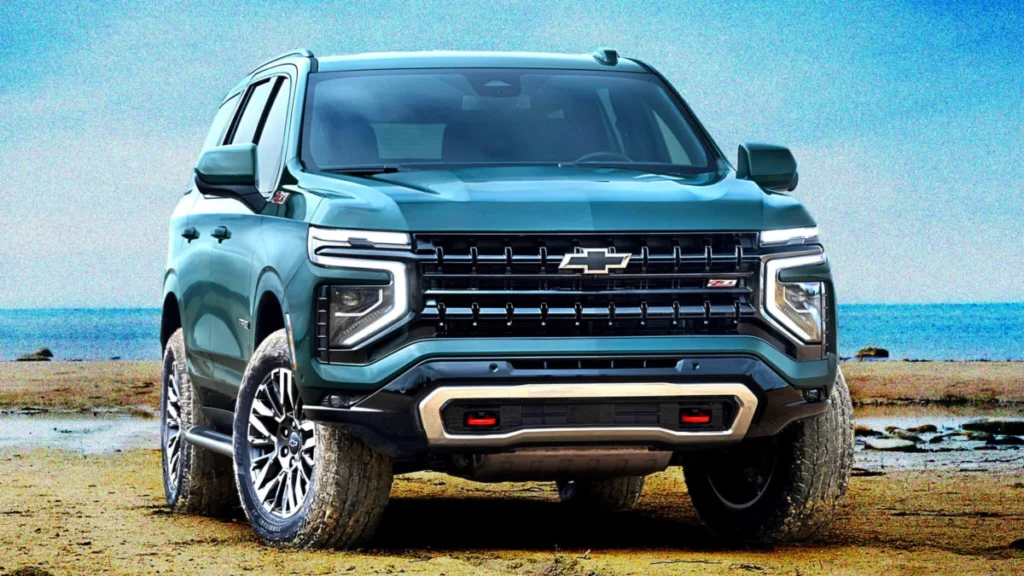
The vehicles implicated in this sweeping recall include high-volume models such as the Cadillac Escalade, Chevrolet Tahoe, Chevrolet Suburban, Chevrolet Silverado 1500, GMC Yukon, GMC Yukon XL, and GMC Sierra 1500, all equipped with all-wheel-drive capabilities. The issue primarily affects brand-new 2026 models, but also extends to certain vehicles from the 2015 through 2020 model years that may have received suspect replacement transfer case assemblies during prior repairs. The sheer scale and potential hazard of this defect have compelled GM to take immediate and decisive action, advising owners to park their vehicles immediately and await further instructions.
The Critical Flaw: A Missing Link in the Drivetrain
At the heart of this widespread recall lies a seemingly minor, yet critically important, oversight in the manufacturing process of the transfer case. Investigations by General Motors have revealed that a number of these essential components, supplied by Magna Powertrain from their facility in Mexico, were produced without a crucial oil pickup tube. This component is fundamental to the proper lubrication of the transfer case, a complex assembly responsible for distributing power between the front and rear axles in all-wheel-drive vehicles.
The absence of the oil pickup tube creates a severe deficiency in the lubrication system. Without adequate oil circulation, internal components within the transfer case are subjected to excessive friction and heat, leading to premature wear and potential failure. GM’s recall documents detail that this lack of lubrication can escalate to internal damage, potentially resulting in a complete failure of the transfer case. The ramifications of such a failure are twofold and deeply concerning: the vehicle could suddenly lose all power to its wheels, leaving drivers stranded in potentially hazardous locations, or, more alarmingly, the internal seizure of components could lead to the axles locking up, causing an immediate and severe loss of control.
A Chronology of Concern: From Discovery to Directive
While the exact timeline of the defect’s discovery is not publicly detailed, the issuance of a "do not drive" order signifies a rapid and thorough internal investigation by General Motors. Typically, such extreme measures are reserved for situations where immediate safety risks are identified, and the potential for severe accidents is high.
- Manufacturing Oversight: It is understood that the defect originated during the manufacturing process of transfer case assemblies at Magna Powertrain’s facility. The omission of the oil pickup tube likely occurred during the assembly phase.
- Component Integration: These potentially flawed transfer cases were then supplied to General Motors for integration into their 2026 model year trucks and SUVs, as well as being distributed as replacement parts for older models.
- Early Warning Signs (Potential): While GM indicates that drivers may hear grinding noises prior to failure, the severity of the recall suggests that in some instances, there may be little to no audible warning before a catastrophic event occurs. This lack of predictable warning is a significant factor driving the "do not drive" directive.
- Internal Investigation and Risk Assessment: Upon identifying the issue, likely through internal quality control measures, field reports, or early warranty claims, GM initiated a comprehensive investigation. The assessment of the potential for axle lock-up and loss of control would have been paramount in determining the appropriate course of action.
- Issuance of "Do Not Drive" Order: The culmination of GM’s investigation and risk assessment led to the unprecedented "do not drive" advisory. This directive is not merely a recommendation; it is a direct instruction to owners to cease operating their vehicles immediately due to a substantial safety risk. Dealers have also been instructed not to sell or demonstrate any affected vehicles until the necessary repairs have been completed.
- Recall Notification: Owners of affected vehicles will be formally notified by General Motors and their respective dealerships. The notification process will outline the specific steps owners need to take, including arranging for vehicle transport to a dealership.
Supporting Data and Affected Populations
The recall impacts a significant number of vehicles, highlighting the broad reach of this manufacturing anomaly. While the total number of affected vehicles is approximately 66,000, the specific breakdown illustrates the popularity of the models involved:
- Chevrolet Silverado 1500: This popular pickup truck leads the affected list, with an estimated 16,000 units requiring inspection and potential repair.
- GMC Sierra 1500: Mirroring its Chevrolet counterpart, the Sierra 1500 accounts for approximately 12,000 affected vehicles.
- GMC Yukon: The large SUV variant sees around 5,000 units included in the recall.
- Chevrolet Tahoe and Suburban: These iconic full-size SUVs, known for their family-hauling capabilities, also feature in the recall.
- Cadillac Escalade and GMC Yukon XL: These premium and extended-length SUV models are also part of the affected population.
The inclusion of older model years (2015-2020) is a critical aspect of this recall. It indicates that the issue is not confined solely to the current production run but extends to vehicles that may have undergone repairs or component replacements using the same potentially faulty parts. This necessitates a thorough inspection protocol that goes beyond the latest manufactured vehicles.
Official Responses and Manufacturer’s Commitment
General Motors, through its official channels and statements, has emphasized its unwavering commitment to customer safety. The decision to issue a "do not drive" order, while impactful on owners and dealership operations, reflects the seriousness with which GM is treating this defect.
A spokesperson for General Motors stated, "The safety of our customers is our highest priority. We have identified a potential issue with the transfer case in a limited number of our full-size trucks and SUVs that could, in rare circumstances, lead to a loss of motive power or a potential axle lock-up. We are taking immediate action to address this concern and urge owners of affected vehicles to follow the instructions provided in their recall notification."
The automaker has confirmed that the supplier, Magna Powertrain, has already implemented corrective actions to address the manufacturing process and has introduced enhanced validation checks to prevent recurrence. This proactive step by the supplier is crucial for rebuilding confidence in the supply chain.

Furthermore, GM is extending comprehensive support to affected owners. Recognizing the inconvenience and potential hardship of parking a primary vehicle, the company is offering towing assistance to transport affected vehicles to authorized dealerships for inspection and repair. This ensures that owners do not bear the burden of delivering their non-operational vehicles to service centers.
Implications and the Path Forward
The implications of this extensive recall are multifaceted, impacting consumers, the automotive industry, and the reputation of General Motors.
- Consumer Confidence: While GM’s swift action demonstrates a commitment to safety, the sheer number of vehicles affected and the severity of the defect can erode consumer confidence. The "do not drive" directive, while necessary, creates significant disruption for owners who rely on these vehicles for daily transportation, work, and family needs.
- Supply Chain Scrutiny: The incident highlights the critical importance of robust quality control measures throughout the automotive supply chain. A single oversight by a component supplier can have far-reaching consequences for a major automaker. This recall will likely lead to increased scrutiny of supplier manufacturing processes and quality assurance protocols across the industry.
- Dealership Operations: Dealerships face a significant operational challenge in managing the influx of vehicles requiring inspection and repair. The instruction not to sell or demonstrate affected models also impacts sales operations. The efficient and timely execution of the recall repairs will be crucial for minimizing disruption and restoring confidence.
- Long-Term Vehicle Reliability: The resolution of this recall is paramount for maintaining the long-term reliability and resale value of the affected GM vehicles. A well-executed repair process, coupled with assurance from the manufacturer about the corrected components, will be key to mitigating any lasting negative impact.
- Regulatory Scrutiny: While not explicitly mentioned, such a significant recall will likely attract the attention of automotive safety regulators, such as the National Highway Traffic Safety Administration (NHTSA) in the United States. The effectiveness of GM’s response and the thoroughness of the repairs will be closely monitored.
General Motors is now tasked with executing this complex recall efficiently and transparently. The focus will be on ensuring that every affected vehicle is inspected, and any necessary transfer case replacements are performed with the utmost precision. The provision of towing assistance and clear communication with owners will be critical in navigating this challenging period. Ultimately, the successful resolution of this recall will depend on GM’s ability to not only rectify the immediate safety concern but also to reassure its customers of its enduring commitment to quality and safety in its vehicles.