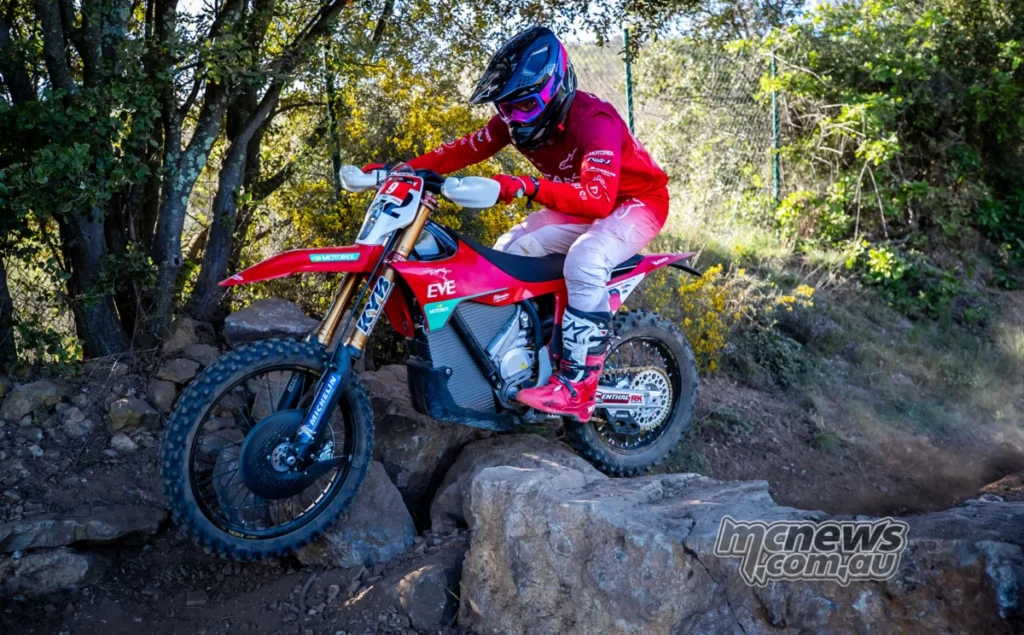

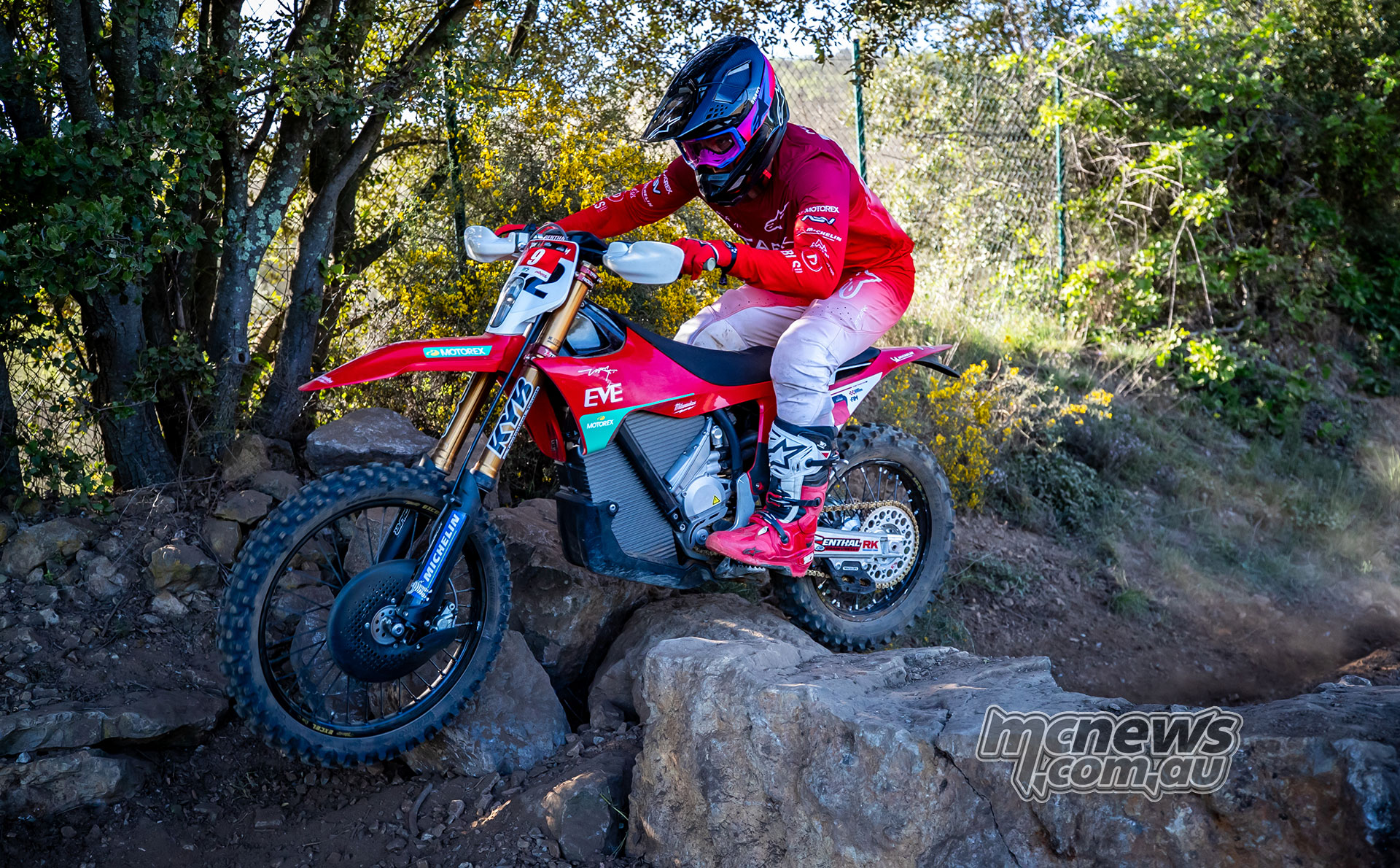
The paradigm shift toward electric mobility in the off-road motorcycle sector has brought with it a common, albeit slightly misguided, narrative: that electric bikes are "maintenance-free." While the Stark VARG has undoubtedly revolutionized the motocross and enduro landscape by eliminating the complex requirements of internal combustion—no fuel systems, no spark plugs, no air filters, and no engine oil changes—it is not entirely devoid of fluid-based maintenance.
Following a landmark strategic partnership between Stark Future and the Swiss lubrication powerhouse MOTOREX, the veil has been lifted on the specific chemical requirements of these high-performance machines. This collaboration serves as a critical reminder that even in the age of electrons, mechanical performance relies on the fundamental science of lubrication and thermal management.
Main Facts: The Fluids Keeping the VARG at Peak Performance
The Stark VARG, a machine engineered to outperform traditional 450cc combustion engines, relies on three core fluid categories to ensure the longevity of its high-torque drivetrain and the stability of its braking systems.
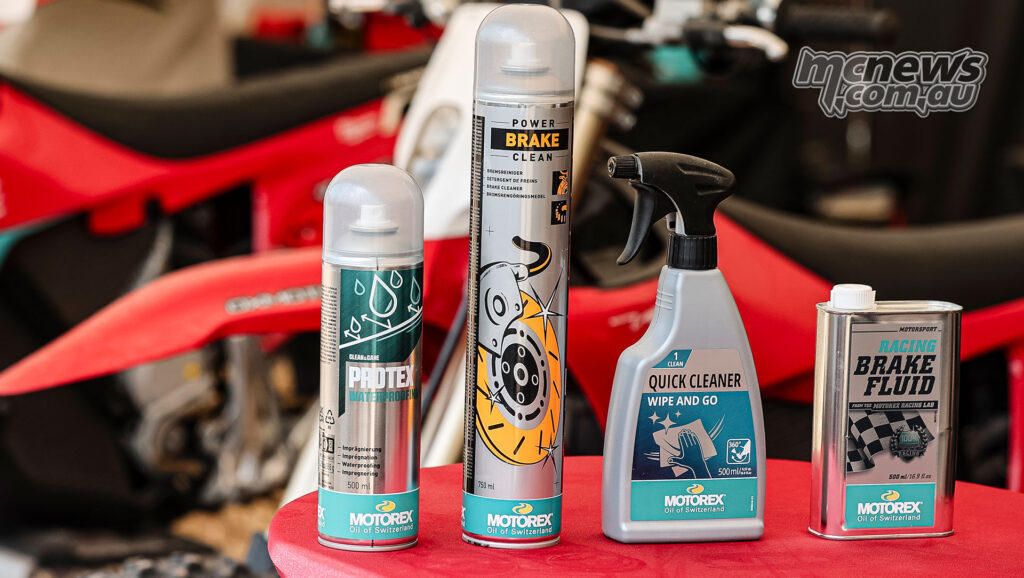
The partnership with MOTOREX ensures that every VARG leaving the production line is filled with purpose-engineered fluids. Specifically, the bike utilizes:
- Gear Oil: The VARG requires exactly 80 ml of MOTOREX Gear Oil 75W-90. While the electric motor does not require lubrication in the traditional sense, the transmission system—which transfers massive amounts of torque to the rear wheel—demands a robust lubricant to mitigate friction and heat within the gearset.
- Coolant: Thermal management is the "holy grail" of electric vehicle design. To keep the battery pack and inverter operating within optimal temperature ranges, the VARG uses 600 ml of MOTOREX M3.0, a high-performance glycol-based coolant.
- Brake Fluid: Despite the bike’s regenerative braking capabilities, the hydraulic braking system remains a vital safety and performance component. Stark mandates the use of MOTOREX DOT 4 or DOT 5.1 fluids, with exact quantities determined by the needs of the bleeding or top-up process.
These specifications clarify that while the VARG removes the "dirty" aspects of traditional maintenance, it replaces them with a precision-based approach to mechanical care.
A Chronology of Collaboration: From Concept to Championship
The relationship between Stark Future and MOTOREX is not merely a branding exercise; it is an integrated engineering alliance that has evolved rapidly since the inception of the VARG project.
Phase 1: Research and Development
During the early prototype stages, Stark engineers identified a need for specialized lubricants capable of handling the unique torque profiles of electric motors. MOTOREX, with over a century of experience in the lubricant industry, provided the technical expertise required to develop bespoke transmission oils that could withstand the instant, linear power delivery of the VARG.
Phase 2: Production Integration
As Stark transitioned into full-scale production, the collaboration expanded. MOTOREX became the primary supplier for the "first fill" fluids in every bike produced at the Stark factory. This ensured that every machine was optimized for performance from the moment it left the assembly line.
Phase 3: The Crucible of Competition
The partnership saw its most significant validation in the racing arena. Stark’s aggressive expansion into the FIM SuperEnduro World Championship, Hard Enduro, and EnduroGP necessitated a fluid partner that could survive the extreme heat and mechanical stress of professional racing. The crowning achievement of this alliance came in 2026, when Stark secured the FIM SuperEnduro World Championship Manufacturers’ title—a milestone that validated the synergy between the bike’s electric platform and MOTOREX’s chemical solutions.
Supporting Data: Understanding the Mechanical Requirements
To truly appreciate why an electric motorcycle requires these fluids, one must look at the mechanical architecture of the Stark VARG.
Thermal Management (Coolant)
Unlike combustion engines that generate heat through explosive internal processes, the VARG’s heat is generated by the battery’s discharge and the inverter’s power conversion. If these components exceed their thermal ceiling, the bike’s software will trigger a power reduction (derating) to protect the hardware. The use of MOTOREX M3.0 is critical in preventing this; its specialized chemical composition is optimized for high-efficiency heat transfer, ensuring that the bike remains at full power for the duration of a race.
Transmission Efficiency (Gear Oil)
The VARG features a direct-drive-inspired transmission. The 80 ml of 75W-90 gear oil is tasked with protecting the gears from extreme pressure. Because electric motors provide maximum torque at zero RPM, the strain on the transmission is significantly higher than that of a combustion bike, which builds torque progressively through the rev range. The oil must maintain a film strength that prevents metal-to-metal contact under these high-torque loads.
Hydraulic Integrity (Brake Fluid)
The decision to stick with high-performance DOT 4/5.1 fluids emphasizes that Stark is not compromising on braking performance. The fluid must maintain a consistent boiling point, ensuring that even under the heavy use required in downhill mountain riding or professional enduro stages, the lever feel remains predictable and fade-free.
Official Responses and Strategic Vision
Stark Future’s communication regarding this partnership emphasizes a commitment to "pro-level" detail. According to company representatives, the collaboration with MOTOREX is intended to bridge the gap between "gadgetry" and "serious racing equipment."
"We are not just building an electric bike; we are building a racing machine," a Stark spokesperson noted. "By partnering with a brand like MOTOREX, we are signaling to the racing community that our fluid systems are not an afterthought. They are integral to the longevity and the performance of the VARG, just as they are in any high-end combustion racing motorcycle."
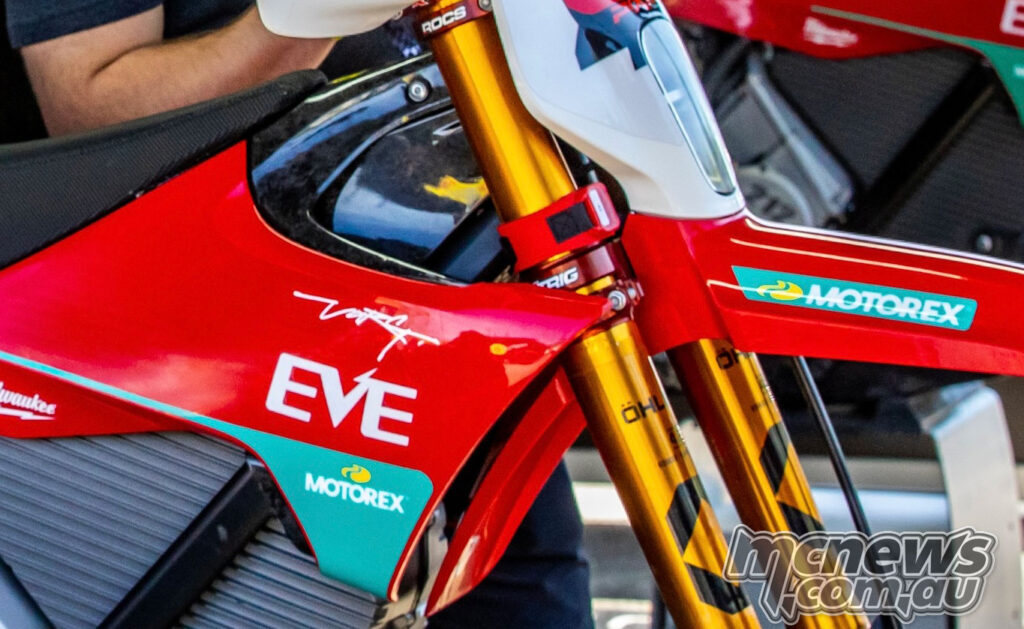
MOTOREX officials have echoed this sentiment, framing the partnership as a logical extension of their long-standing history in motorsport. For a company that has spent 100 years perfecting oil for internal combustion engines, the Stark VARG represents the "new frontier." The goal, they state, is to ensure that the transition to electric doesn’t mean a degradation in the level of care that riders have come to expect.
Implications for the Future of Off-Road Motorcycling
The realization that electric motorcycles still require maintenance fluids has several profound implications for the industry:
1. A Shift in Mechanic Skill Sets
The garage of the future will not be filled with oil-stained rags and spark plug gappers, but it will still require an understanding of hydraulic systems and thermal management. Mechanics will need to be trained in the safe handling of high-voltage systems while maintaining their proficiency in traditional mechanical tasks like suspension servicing, chain tensioning, and hydraulic brake maintenance.
2. The "No Maintenance" Myth Debunked
Industry observers are noting that the "no maintenance" marketing tactic used by some EV manufacturers is a double-edged sword. While it attracts newcomers, it can also lead to neglect. Stark’s transparency helps set a new standard for responsible ownership. By detailing exactly what to replace and when, they are fostering a culture of informed maintenance that will inevitably lead to longer vehicle lifespans.
3. Continued Synergy with Lubricant Manufacturers
This partnership suggests that the future of motorcycle racing will involve even closer collaboration between OEMs and lubricant suppliers. As electric motors become more powerful and batteries become more energy-dense, the demand for specialized cooling fluids and high-pressure lubricants will only increase. We are likely to see "smart" fluids developed specifically for high-frequency switching electronics or unique high-torque gear reductions.

4. The Environmental Argument
While the VARG is zero-emission at the tailpipe, the continued use of fluids like gear oil and coolant highlights the industry’s focus on total-lifecycle sustainability. Both Stark and MOTOREX are under pressure to ensure that these fluids are not only high-performing but also easier to recycle or less toxic than traditional petroleum-based alternatives.
Conclusion: The New Definition of Maintenance
The Stark VARG serves as a bridge between two eras. It successfully eliminates the most cumbersome aspects of traditional motocross maintenance—the messy oil changes of a four-stroke, the valve adjustments, and the fuel system cleaning—but it remains a mechanical entity governed by the laws of physics.
Friction still exists in the gears; heat still builds in the electronics; and hydraulic pressure is still the most efficient way to stop a moving wheel. By acknowledging these realities, Stark has positioned itself not as a disruptor that ignores tradition, but as one that elevates it. The message to the off-road community is clear: the era of the "no-maintenance" bike is a myth, but the era of "smart, precision maintenance" has officially arrived.
As the 2026 racing season continues to unfold, the success of the Stark-MOTOREX partnership will likely be measured not just by race wins, but by the reliability and longevity of these machines in the hands of privateers and professionals alike. The fluid may be different, and the volumes may be smaller, but the requirement for quality remains absolute. Electric bikes do indeed need oil—just not in the way we grew up thinking about it.