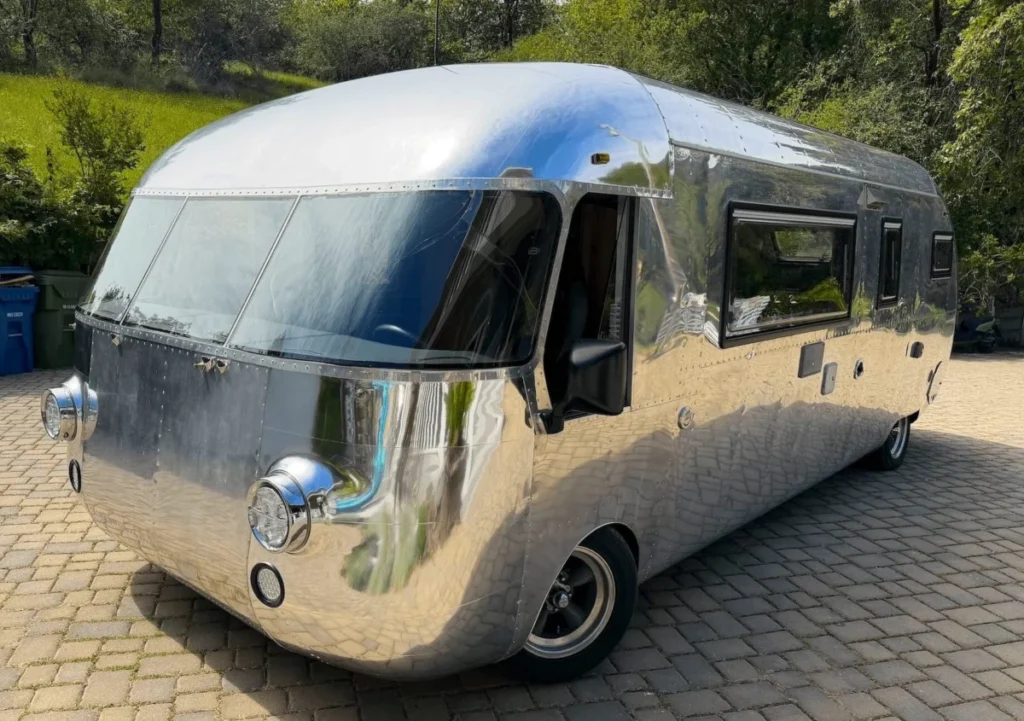

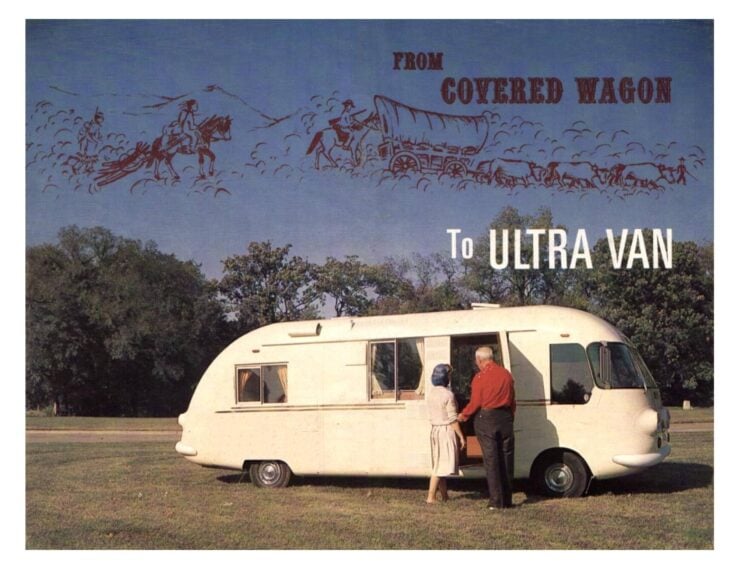
In the landscape of 1960s recreational vehicles, few machines captured the imagination quite like the Ultra Van. It was a vehicle that felt like it had arrived from the future, blurring the lines between a land-based motorhome and an aircraft fuselage. With its striking monocoque design, lightweight aluminum skin, and unconventional rear-engine powertrain, the Ultra Van remains a cult classic among enthusiasts who value engineering ingenuity over the mass-produced aesthetic of its contemporaries.
Main Facts: The Intersection of Flight and Road
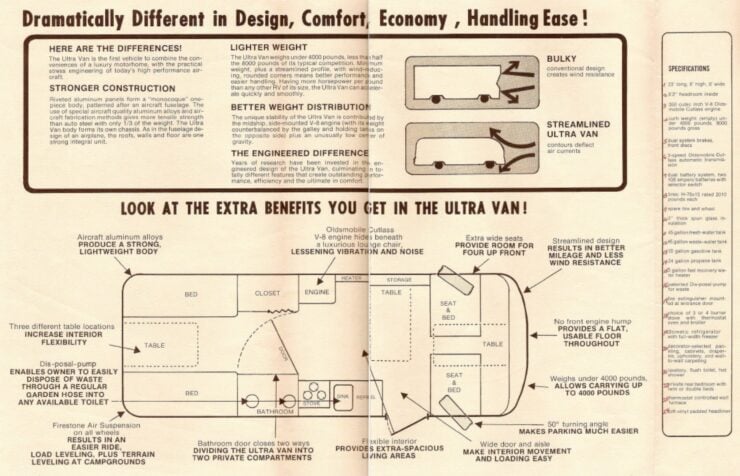
At its core, the 1966 Ultra Van is a triumph of lightweight architecture. Unlike the heavy, body-on-frame motorhomes that dominated the era, the Ultra Van utilized a sophisticated, aircraft-grade monocoque construction. Designed by David G. Peterson—a veteran engineer with an impressive resume from Boeing and Beech—the vehicle lacked a traditional chassis. Instead, it relied on a structural skin of riveted aluminum panels supported by C-shaped aluminum ribs.

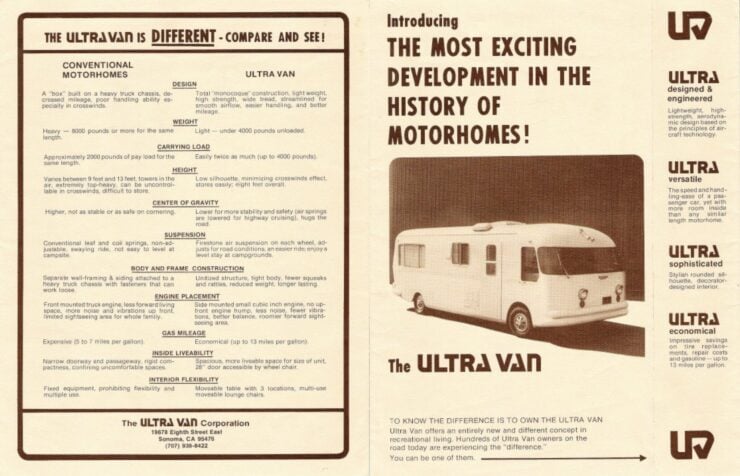
This design choice resulted in a curb weight so low it redefined the class. Without furnishings, the shell weighed less than 1,800 pounds, yet provided five times the interior volume of a standard Volkswagen bus of the time. Even when fully outfitted with a kitchen, bathroom, and sleeping quarters for four, the vehicle tipped the scales at a mere 3,000 pounds. This power-to-weight ratio, combined with a rear-mounted Chevrolet Corvair flat-six engine and Powerglide automatic transmission, allowed the coach to cruise comfortably at 60 mph while achieving an impressive 15 miles per gallon—a figure that remains respectable even by modern RV standards.
Chronology: From Concept to Cultural Icon
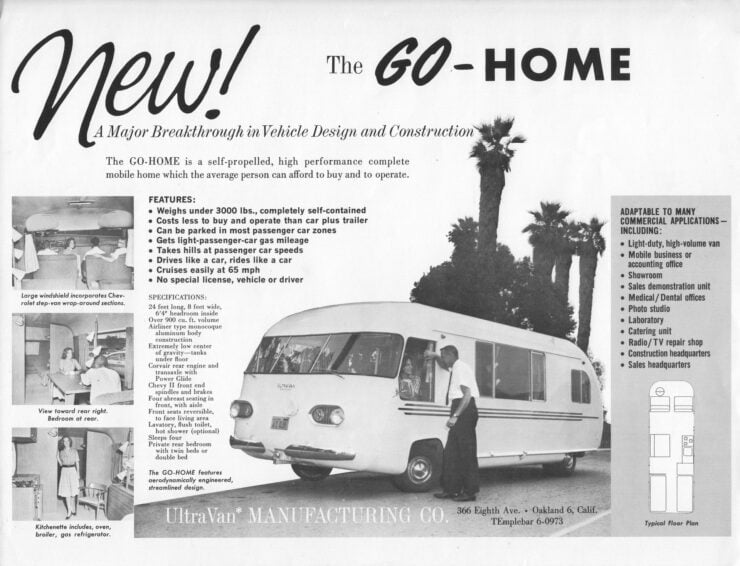
The story of the Ultra Van began not in a factory, but as a personal solution to a logistical headache. David G. Peterson, an avid traveler, found himself frustrated by the impracticality of towing a Spartan travel trailer and a boat simultaneously. His solution? Eliminate the trailer entirely and build a self-propelled home light enough to tow the boat behind it.
1960: The "Go-Home" Prototype
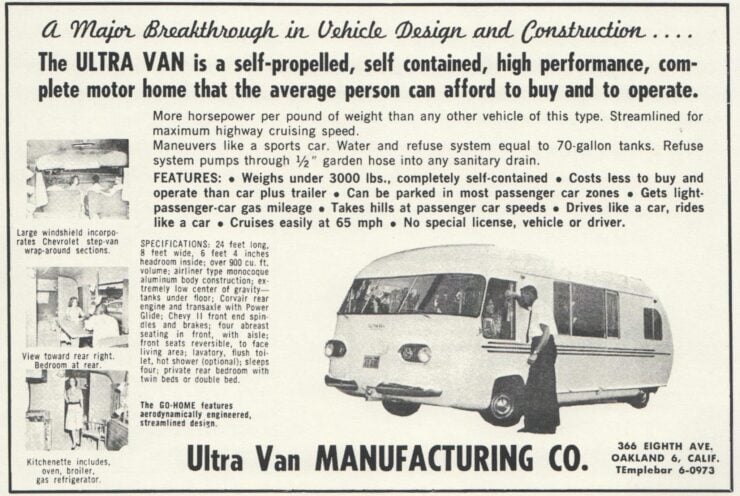
In the autumn of 1960, Peterson secured a garage in the Oakland/Alameda area to bring his vision to life. Within four months, the prototype, affectionately named the "Go-Home," was road-ready. Its success was immediate, proving that the Corvair’s compact, air-cooled powertrain was the perfect heart for such a lightweight machine.
1961–1964: The Growing Pains
Following positive reception, Peterson incorporated the Ultra Van Manufacturing Company in August 1961. The early years were marked by both innovation and struggle. A brief partnership with the Prescolite Manufacturing Corporation in 1963 resulted in a rocky production period. Prescolite’s unfamiliarity with aircraft construction techniques led to structural issues, forcing Peterson to resume personal production in Oakland before seeking a more suitable manufacturing partner.
1965–1970: The Hutchinson Era
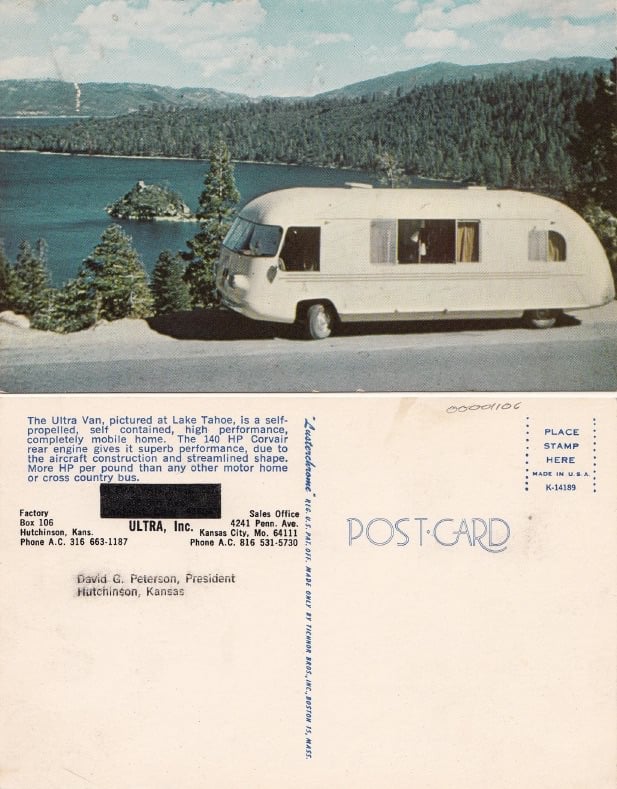
In 1965, John E. Tillotson, a Kansas publisher, secured the production rights. Moving operations to a former WWII aircraft hangar in Hutchinson, Kansas, proved to be a stroke of genius. The region was a hub for aviation talent, providing a workforce already skilled in aluminum construction. This era saw the peak of the Ultra Van, with 346 units produced between 1966 and 1970.
1970–1974: The Final Chapter
As the 1960s drew to a close, the market shifted. Larger, cheaper motorhomes from brands like Winnebago began to dominate, leveraging economies of scale that the high-touch, aircraft-style production of the Ultra Van simply could not match. After production ceased in 1970, Peterson attempted to pivot, producing a small number of V8-powered 600 Series models before closing the doors for good in 1974.
Supporting Data: Engineering and Refinement
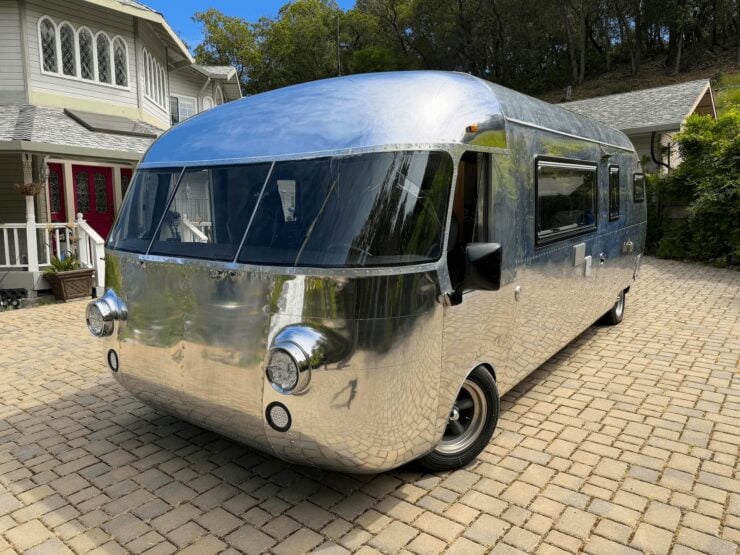
The technical brilliance of the Ultra Van lies in its details. The vehicle featured fully independent four-wheel suspension, providing a ride quality that was revolutionary for a motorhome in the 1960s. The front-end geometry was a masterpiece of space-saving design, allowing the wheels to turn 50 degrees in either direction, resulting in a turning radius that embarrassed most pickup trucks of the period.
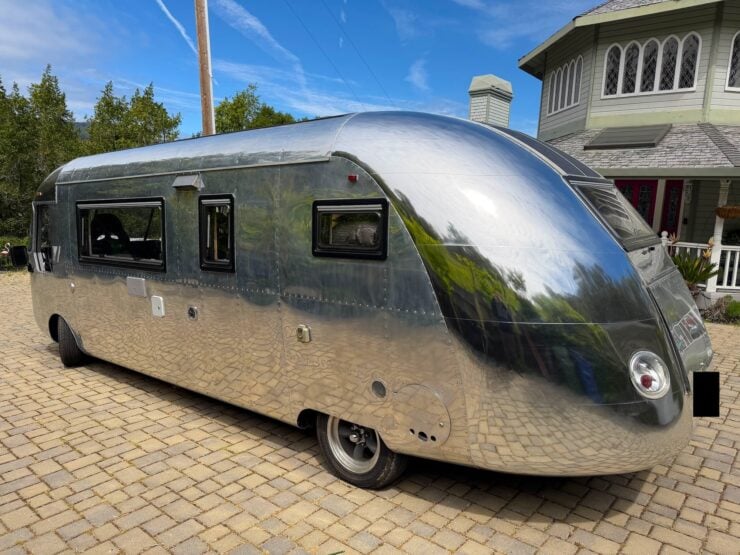
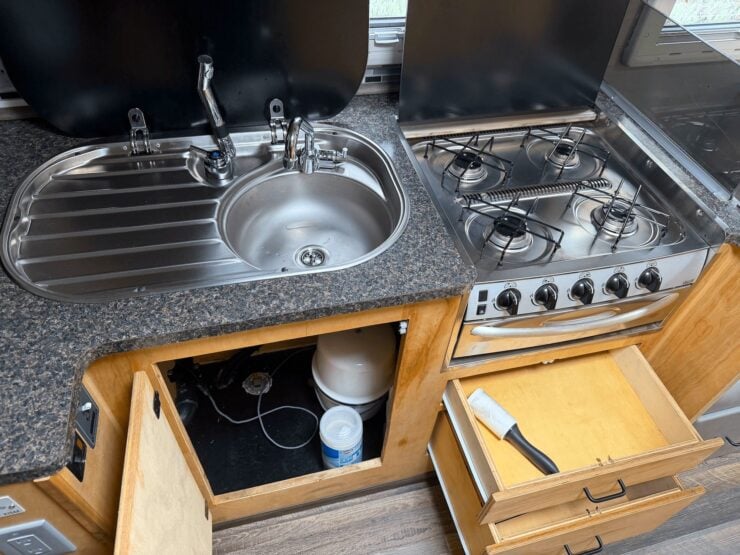
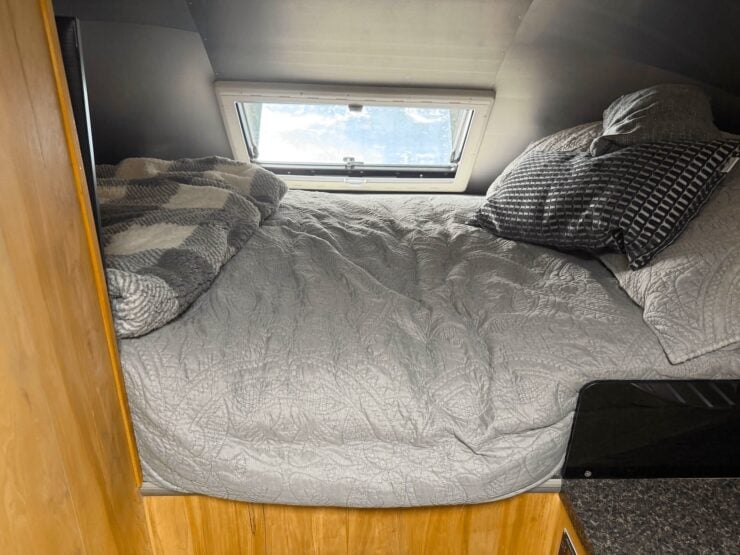
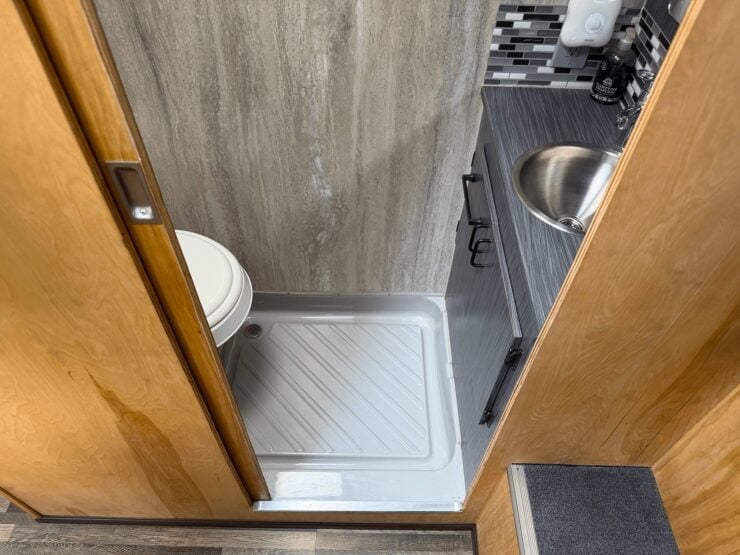
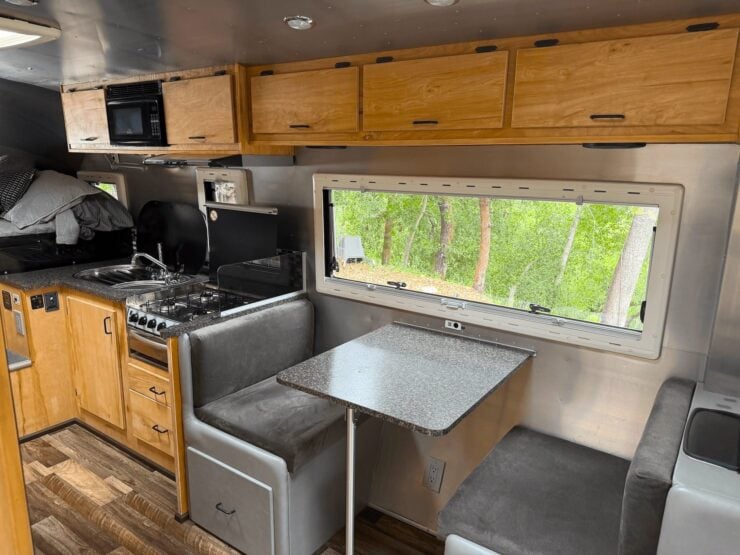
The interior was equally thoughtful. Despite its compact footprint—measuring 22 feet in length—the design prioritized headroom, offering over six feet of clearance. The rear engine layout cleared the floorpan, allowing for a flat, unobstructed living area that felt expansive.
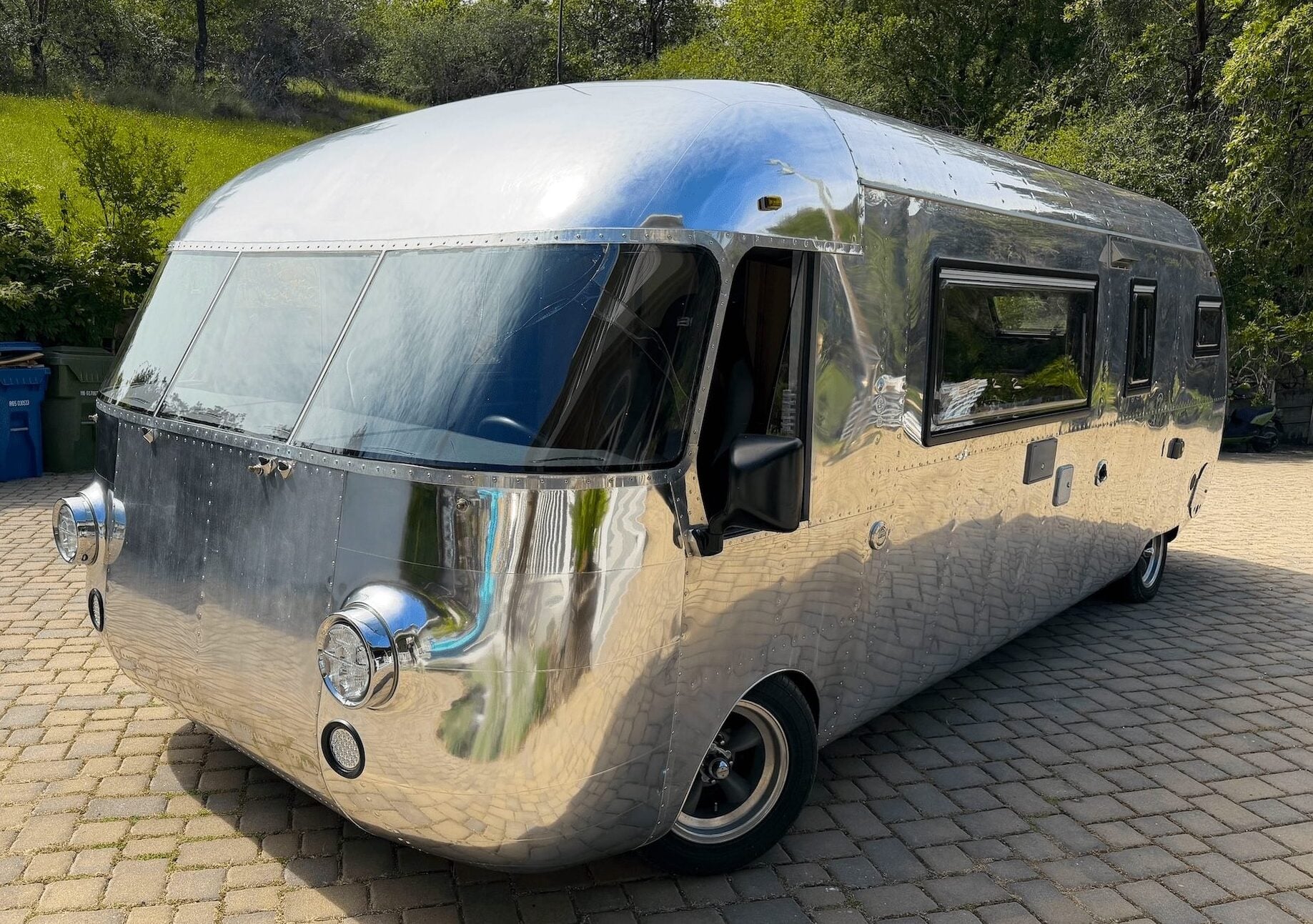
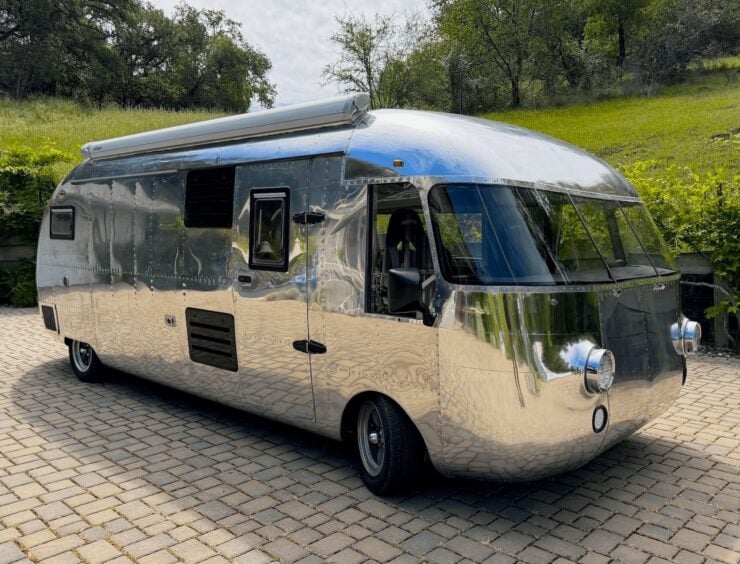
For the modern owner, the platform remains highly adaptable. The example featured here, purchased in 2009, underwent a 15-year transformation. It now features an Accuair air suspension system, Wilwood four-wheel disc brakes, and a modern electronic fuel injection (EFI) system for the Corvair engine. These modifications demonstrate the enduring viability of the platform; it is not merely a museum piece but a functional vessel for travel.
Official Responses and Industry Reception
During its production run, the Ultra Van was widely lauded by the automotive press for its handling and efficiency. However, it remained a niche product. The "Corvair stigma"—fueled by the public debate surrounding the car’s safety—inevitably impacted the brand, despite the Ultra Van using the engine in a vastly different, more stable configuration.
The Ultra Van Motor Coach Club (UVMCC), founded in 1966, has played a vital role in the vehicle’s longevity. By fostering a community of owners who shared technical knowledge and parts, they ensured that the "orphan" brand did not fade into obscurity. Today, the Corvair Society of America officially recognizes the Ultra Van, cementing its status as a legitimate chapter of automotive history.
Implications: The Legacy of Lightweight Design
The story of the Ultra Van serves as a cautionary tale of the collision between high-end engineering and mass-market economics. Peterson’s design was, in many ways, ahead of its time. It anticipated the modern demand for fuel-efficient, aerodynamic, and nimble recreational vehicles. However, the labor-intensive nature of riveted aluminum construction meant that it could never compete on price with the fiberglass-box motorhomes that eventually defined the industry.
The survival of over 100 of the original 376 units—with some having covered over half a million miles—is a testament to the durability of the aircraft-grade construction. It implies that Peterson’s philosophy of "doing more with less" was not just a manufacturing choice but a lifestyle commitment.
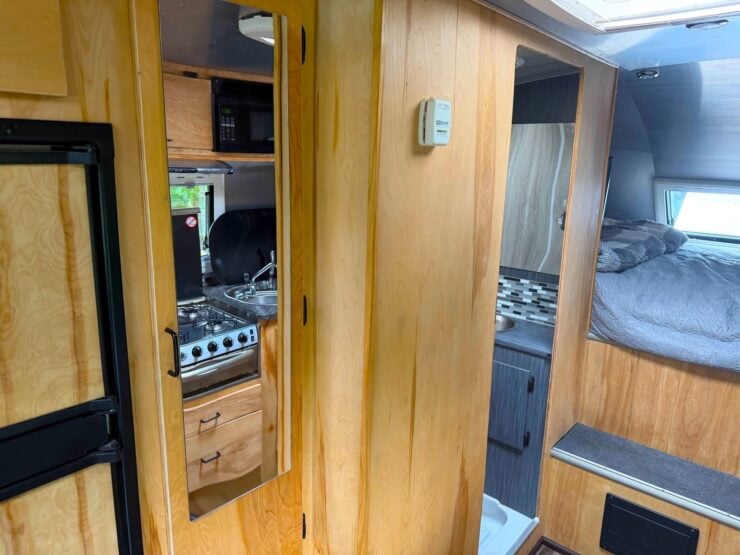
The 1966 model highlighted here is a perfect case study for the enthusiast. Its modern amenities—ranging from the solar-power system and lithium-compatible upgrades to the Pioneer touchscreen and Kicker sound system—do not detract from the original design; they enhance it. They prove that the Ultra Van is a modular, versatile platform that can be updated for the 21st century while retaining its mid-century charm.
In an era where "van life" has become a global phenomenon, the Ultra Van stands as an ancestor to the movement. It was the original "adventure rig," a vehicle designed by an aviation expert to provide freedom, efficiency, and a touch of class to the open road. While the company may have closed its doors in 1974, the spirit of the Ultra Van continues to travel. Every time a restored coach hits the highway, it serves as a rolling tribute to David G. Peterson’s vision: that a motorhome should be as well-engineered as an airplane, and as reliable as the journey it takes you on.