
The powersports landscape is undergoing a period of rapid, sometimes contradictory, evolution. As OEMs grapple with shifting global tax regulations and the relentless pursuit of technological synergy, the industry is witnessing a fascinating blend of high-tech consolidation and raw, mechanical ingenuity. This week’s dispatch covers the rebranding of a navigation giant, the arrival of a highly anticipated middleweight adventure machine, the ripple effects of international tax policy, and a record-shattering steam-powered engineering marvel.
1. The Consolidation of Connectivity: Cardo Systems Rebrands RISER as "Cardo Ride"
In a move that cements its position as the preeminent leader in motorcycle rider communication, Cardo Systems has officially integrated the RISER navigation and tracking platform into its core ecosystem. Rebranded as "Cardo Ride," this transition represents the final phase of a strategy that began with Cardo’s 2023 acquisition of the Austrian-based navigation app.
Chronology of the Integration
For over a decade, RISER served as a premier tool for riders to track mileage, discover "Supercurvy" routes, and log their riding histories. By acquiring the platform, Cardo sought to bridge the gap between hardware and software. The transition to "Cardo Ride" is not merely cosmetic; it involves the merging of 124 million miles of global riding data into a unified, high-performance interface. Current users can expect a seamless migration of their existing profiles, ride histories, and saved routes, ensuring that a decade of progress is preserved under the new banner.
Technological Enhancements and Implications
The updated platform introduces a ground-up rebuild of the Newsfeed, emphasizing "local community discovery." Using a proprietary algorithm, the app now highlights active riders and hidden-gem routes in a user’s immediate vicinity, fostering a more connected, location-aware riding experience.
Perhaps the most significant technical advancement is the "reWind 3.0" feature. Moving away from the static, interactive animations of the past, reWind now generates a high-performance, cinematic video file of a completed ride rendered on a 3D map. This feature is optimized for instant social media sharing, allowing riders to showcase their adventures with professional-grade visual quality.
Official Response
Alon Lumbroso, CEO of Cardo Systems, emphasized that this integration is about more than just navigation—it is about ecosystem expansion. "For years, Cardo has led the way in motorcycle rider communication," Lumbroso stated in the official press release. "With Cardo Ride, we’re taking that leadership further by linking every ride, every story, every new route, and the entire riding community to expand the Cardo ecosystem."
While the app remains free to all riders, regardless of their choice of communication hardware, Cardo has introduced a "Cardo Ride Pro" tier. This premium subscription unlocks advanced features, including offline maps, PackRide notifications, and high-fidelity reWind 3.0 processing.
2. Glocalization in Action: The Arrival of the 2027 Ibex 950
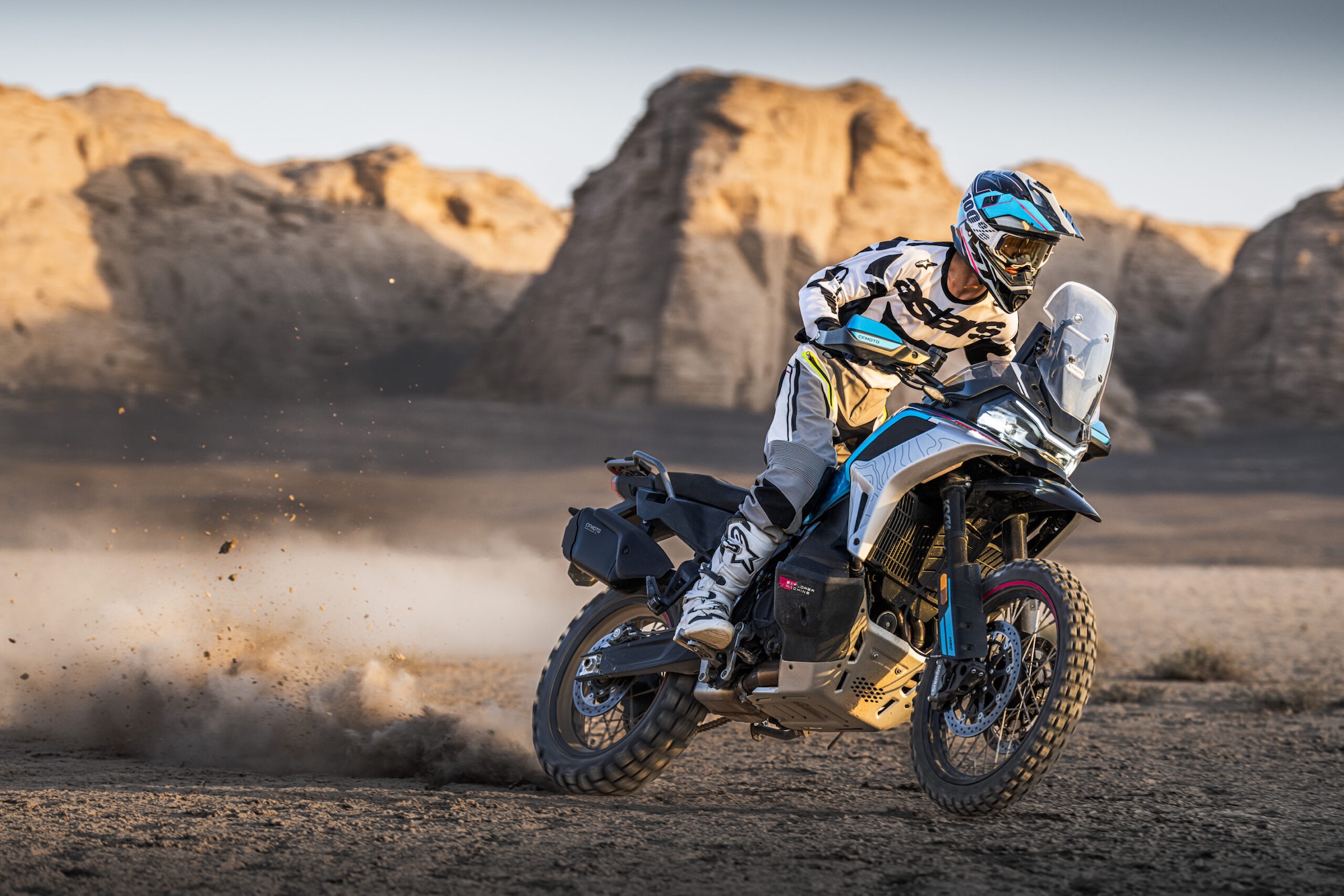
CFMoto continues to challenge the established status quo in the adventure-touring segment. The newly announced 2027 Ibex 950—known in global markets as the 1000MT-X—is a masterclass in "glocalization," where products are adapted to suit regional market expectations, naming conventions, and displacement preferences.

Main Facts and Performance
The Ibex 950 represents a massive performance leap over its 800cc sibling. At the heart of the machine lies a 946.2cc engine, a platform derived from the second-generation LC8c architecture—the same powerhouse found in the KTM 990 Duke. This shared lineage is a testament to the ongoing joint venture between the two manufacturers, with CFMoto notably launching this platform ahead of the highly anticipated KTM 990 Adventure.
The engine produces an impressive 111 hp and 77 ft.-lb. of torque. These figures suggest that the Ibex 950 is positioned to aggressively undercut the pricing of more established, premium-tier competitors while offering comparable, if not superior, performance metrics.
Hardware and Software Specs
CFMoto has left little to chance regarding equipment. The 2027 model features:
- Electronics: Five distinct ride modes, three-level traction control, and cornering-sensitive ABS.
- Chassis: Fully adjustable 48mm KYB forks and a matching monoshock rear setup.
- Braking: Radial-mount four-piston Brembo calipers biting 320mm discs.
- Ergonomics: A versatile seat height ranging from 34.25 inches down to 32.7 inches, catering to a wider variety of rider statures.
With EPA certification already confirmed, the Ibex 950 is expected to arrive in North American showrooms within the coming months, signaling a new, more competitive chapter for the brand in the Western market.
3. Industry Insider: The 350cc Regulatory Threshold in India
Regulatory shifts in India—a massive hub for global motorcycle production—are currently forcing a significant "downsizing" trend across the industry. The implementation of a 40% tax rate on motorcycles with engines larger than 350cc has created a financial cliff that OEMs are struggling to navigate.
Supporting Data and Market Shifts
Roughly 15% to 20% of the total motorcycle market is currently impacted by this policy. To remain competitive, manufacturers like Triumph and KTM have been forced to re-engineer their middleweight offerings.
- Triumph: The Speed 400 and Scrambler 400 X have seen their displacements adjusted to slide under the 350cc threshold. This resulted in a minor performance dip from 39 hp to 37 hp, a trade-off viewed as acceptable to avoid the 40% tax hike.
- KTM: The 390 Duke and 390 Adventure have undergone similar modifications, dropping from 399cc to 350cc, with output moving from 44 hp to 41 hp.
Implications for the Consumer
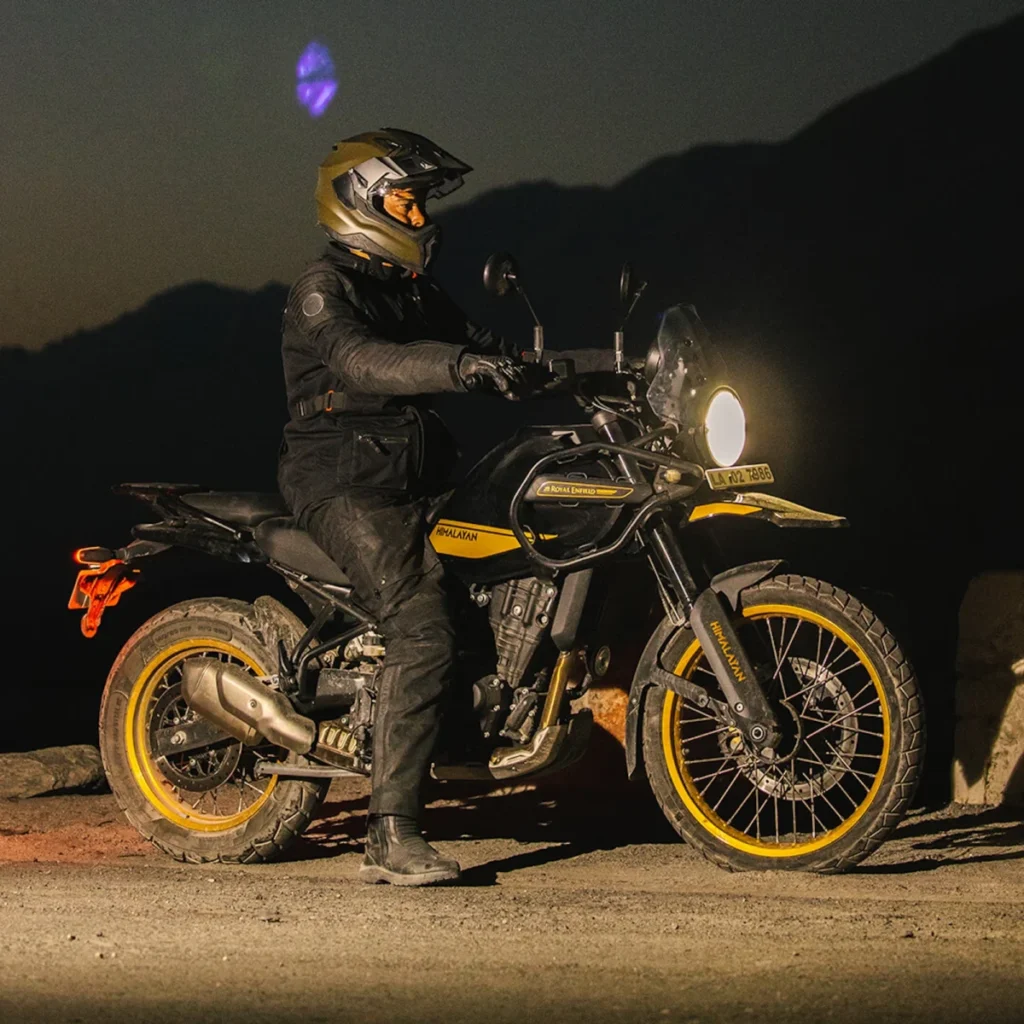
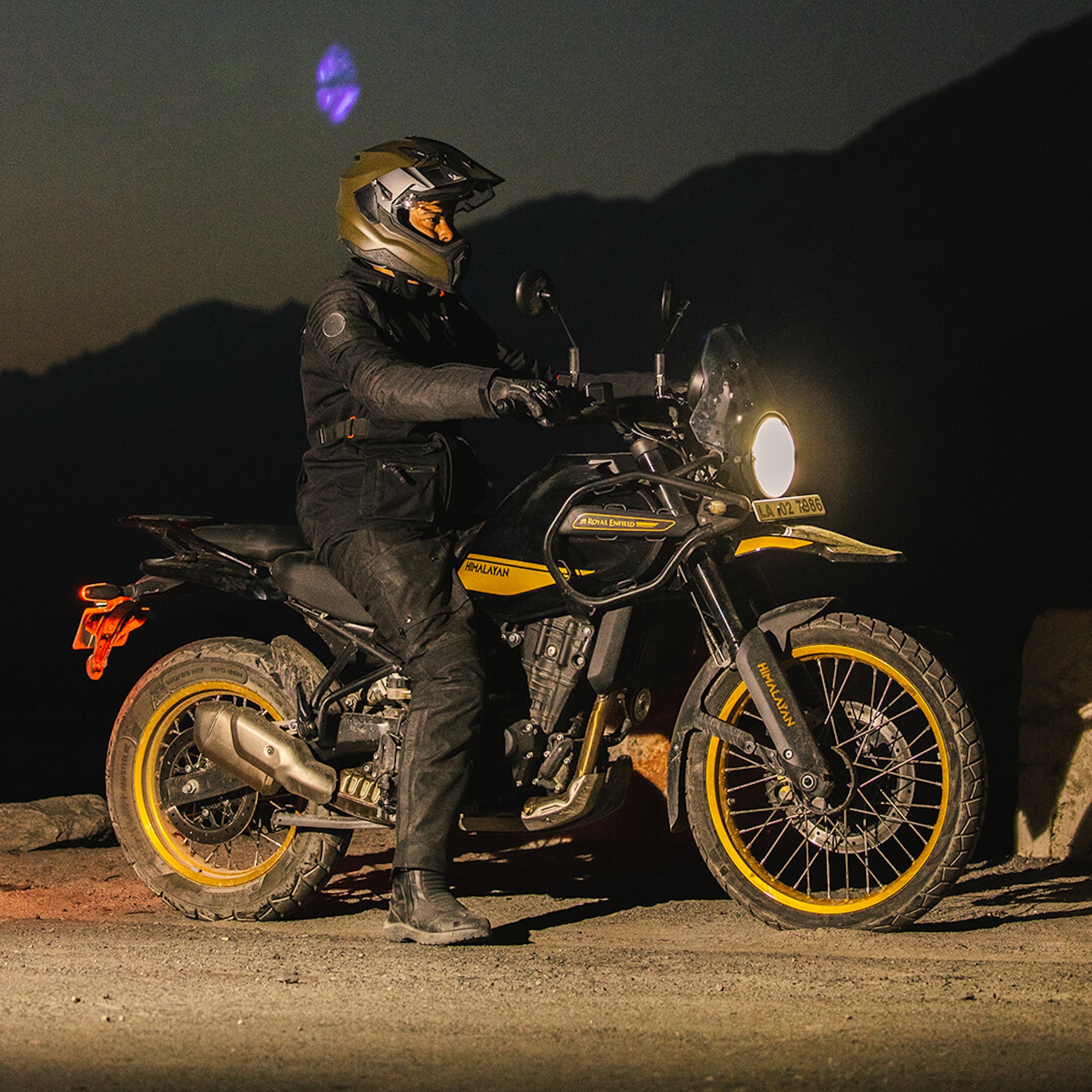
For the average rider, this is a double-edged sword. While it forces a reduction in displacement, it allows manufacturers to maintain high-end build quality, advanced suspension components, and modern electronics at a price point that would otherwise be impossible under the new tax regime. By staying under the 350cc line, companies can effectively deliver a "premium" machine at a fraction of the cost of a slightly larger bike. However, bikes that remain above this limit—such as the Royal Enfield Himalayan 450—face significant price hikes, potentially eroding their value proposition in the entry-to-mid-level segment.
4. Engineering the Extreme: The Record-Breaking "Force of Nature"
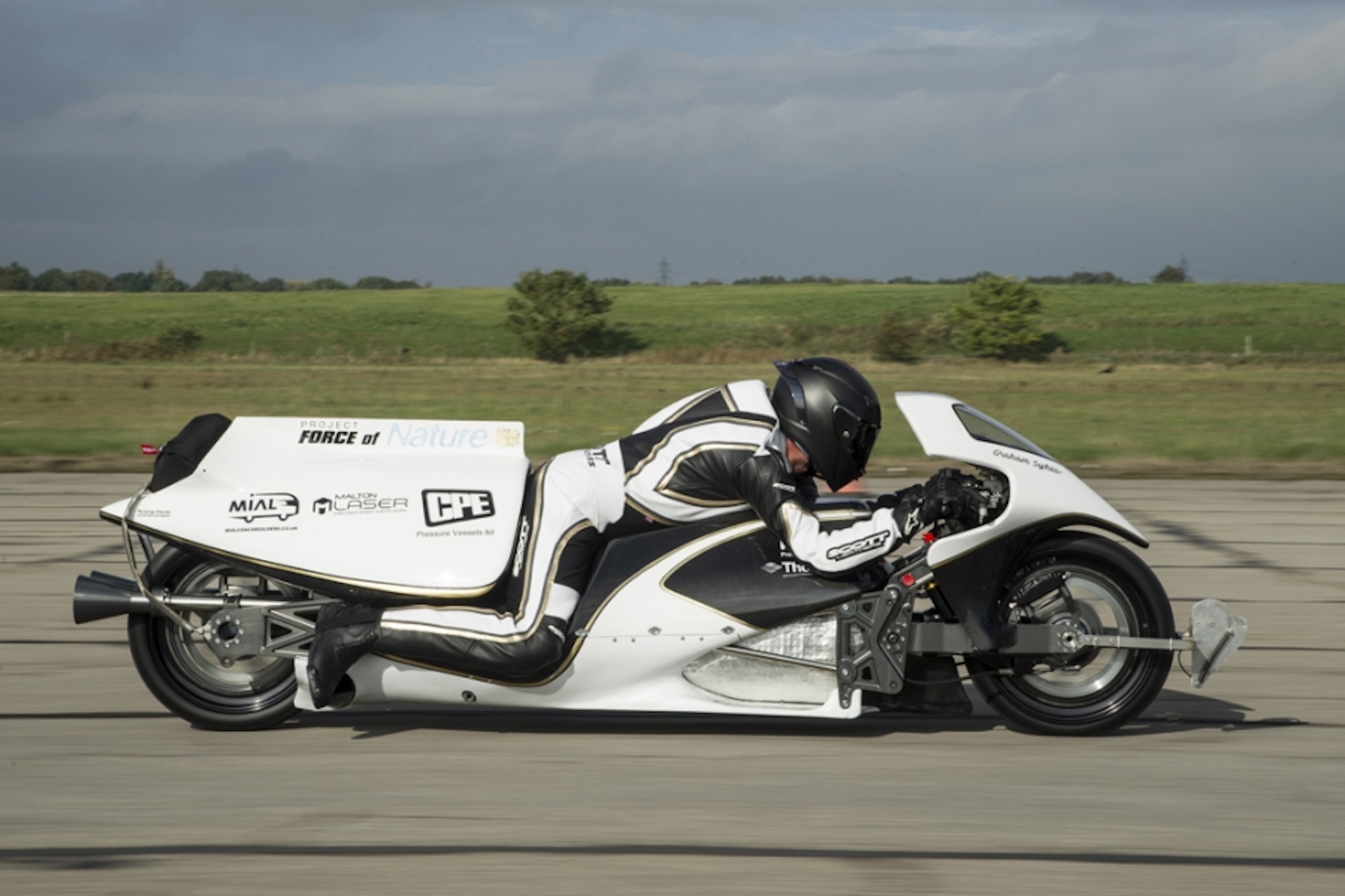
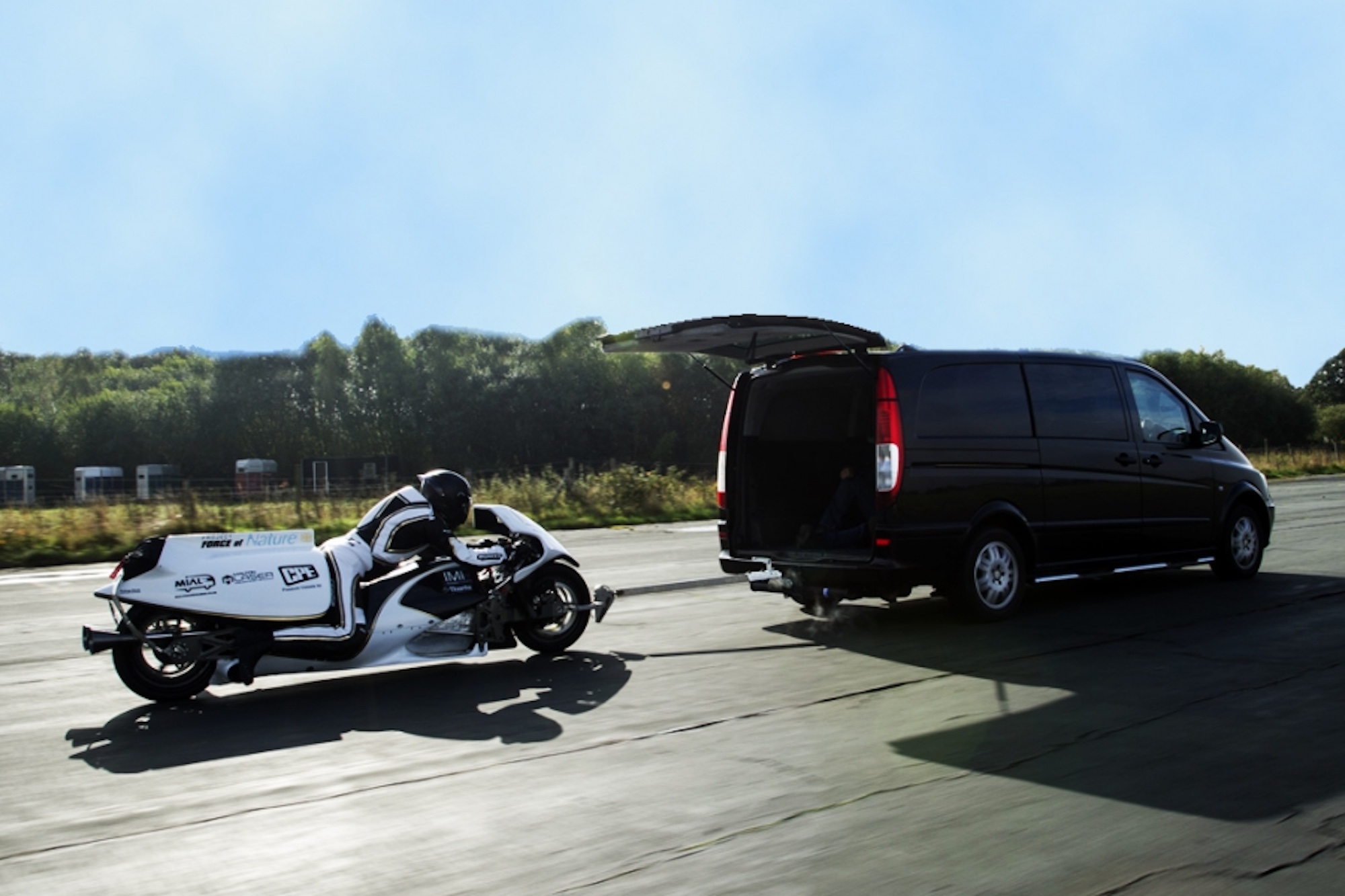
While the rest of the industry focuses on electrification and efficiency, British engineer Graham Sykes is looking toward the power of steam. His Yorkshire-built rocket bike, the "Force of Nature," has officially been crowned the world’s quickest non-thrust two-wheeler.
The Physics of the Machine
The Force of Nature is the culmination of six years of development. The bike operates by forcing superheated, deionized water through a pair of nitrogen-actuated de Laval nozzles at 1.1 times the speed of sound. This process generates an immediate sonic boom upon launch.
Performance Data
The machine’s performance is nothing short of harrowing:
- Quarter-Mile Time: 5.503 seconds at 192.94 mph.
- Eighth-Mile Sprint: 3.258 seconds at 209.93 mph.
- Acceleration: Peak forces reach approximately 6.8 G.
The bike utilizes a 120-liter pressure vessel, which requires a five-hour warm-up period to reach an operating temperature of 250°C (482°F) at 580 psi. Notably, the boiler is powered by hydrogenated vegetable oil, adding a layer of sustainable ingenuity to a machine that operates at the absolute edge of physics.
Looking Ahead
Graham Sykes is not finished. With the 2026 season underway, he believes further optimizations can shave an additional 0.6 seconds off his quarter-mile time. The racing community can witness the next iteration of this steam-powered marvel at the Santa Pod Main Event, scheduled for May 22–25, 2026.
As the powersports industry continues to balance the demands of environmental regulation, market trends, and technological advancement, one thing remains clear: the spirit of innovation—whether in a smartphone app or a steam-powered rocket—is alive and well.