
Tokyo, Japan – In a significant strategic recalibration, Honda Motor Co. has announced a dramatic shift in its electrification strategy, moving away from its ambitious all-electric vehicle (EV) rollout in key markets like the United States. The Japanese automotive giant, which had previously outlined aggressive plans for a fully electric future, is now firmly re-centering its focus on next-generation hybrid powertrains, backed by a substantial multi-billion dollar investment. This pivot comes on the heels of multiple high-profile EV cancellations, signaling a more pragmatic approach to market demands and technological development.
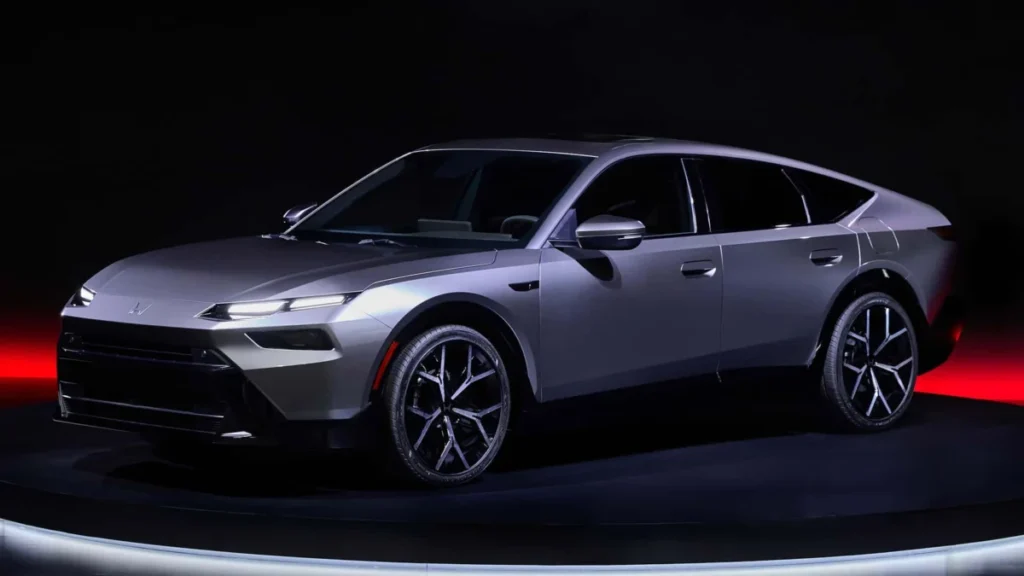
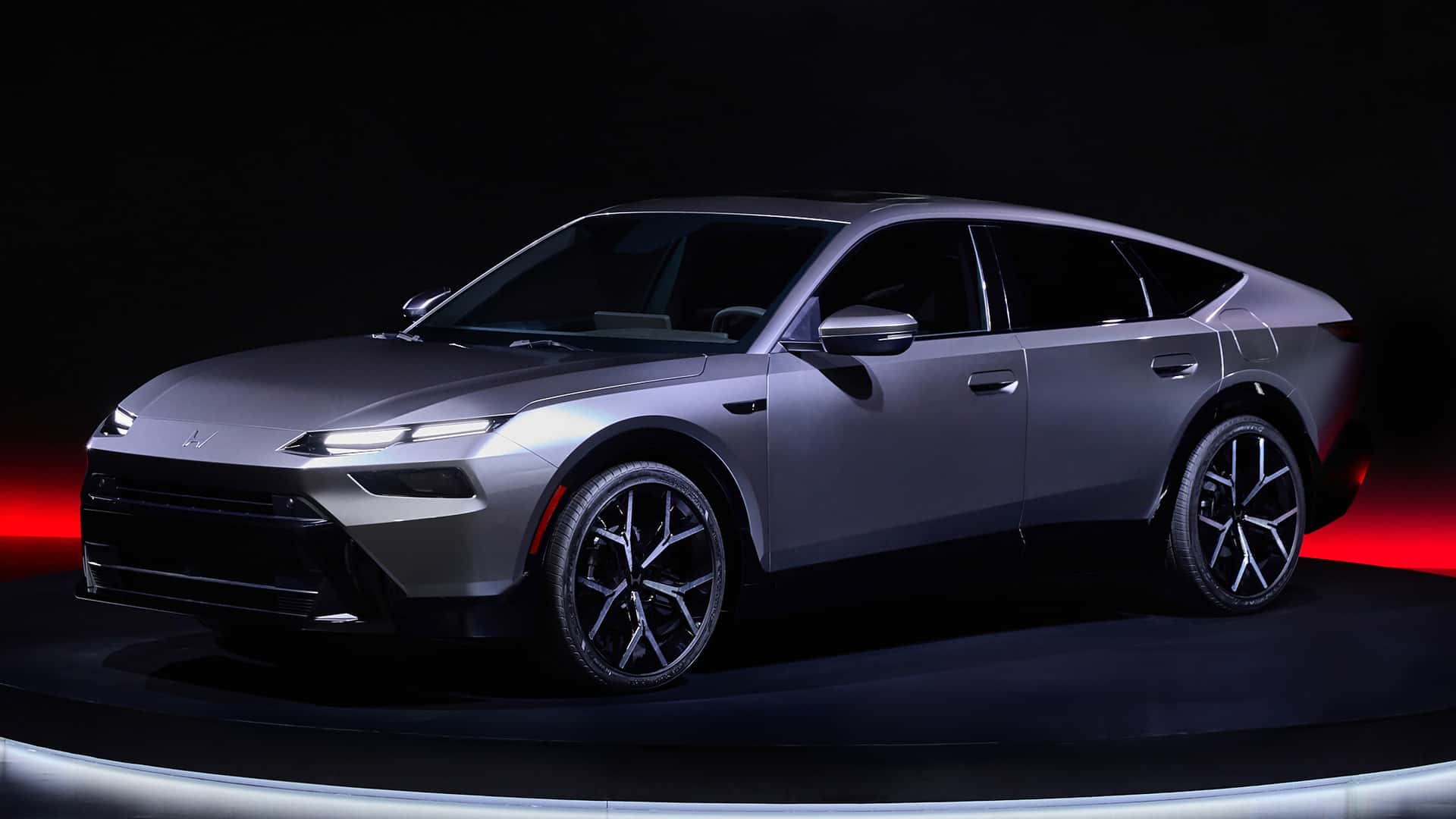
During a recent business briefing that underscored this new direction, Honda unveiled two pivotal prototypes: a sleek Honda sedan and a robust Acura SUV. These vehicles, described as being remarkably close to production readiness, are slated to hit showrooms within the next two years, spearheading a new wave of highly efficient hybrid models. The move is a clear acknowledgment of the current market realities, particularly the softening demand for pure EVs in certain regions and the enduring appeal of hybrid technology as a practical and accessible bridge to a carbon-neutral future.
Main Facts: A Strategic Reorientation
Honda’s revised strategy marks a decisive turn from its earlier, more aggressive EV roadmap. The core of this new direction involves prioritizing the development and widespread adoption of advanced hybrid vehicles, which combine improved internal combustion engines (ICE) with sophisticated electric motors. This commitment is not merely a temporary measure but a fundamental re-evaluation of its product portfolio, particularly for the crucial North American market.
The company’s recent actions speak volumes: several highly anticipated electric models, including the Honda 0 Sedan, 0 SUV, and the Acura RSX, have been unceremoniously canceled. Adding to this list are the two Afeela EV models that were a product of Honda’s joint venture with Sony, indicating a comprehensive overhaul of its electric vehicle initiatives. These cancellations free up significant resources, which Honda is now redirecting towards its accelerated hybrid program.
The newly revealed Honda sedan and Acura SUV prototypes serve as tangible proof of this strategic pivot. Both vehicles will feature Honda’s next-generation hybrid powertrain, promising significant improvements in efficiency and performance. Crucially, these models are explicitly designed for the United States market, as evidenced by their distinctive orange side markers – a regulatory requirement for vehicles sold in North America. This focus underscores the importance of the U.S. in Honda’s immediate future, where consumer preferences and infrastructure challenges have notably influenced EV adoption rates.
Honda has laid out an ambitious target: to launch 15 models equipped with its new hybrid powertrain by March 2030, with the lion’s share destined for the U.S. market. This robust pipeline of hybrid offerings aims to recapture market momentum and solidify Honda’s position as a leader in fuel-efficient, environmentally conscious vehicles that cater to a broader consumer base.
Chronology of a Shifting Vision
Honda’s journey towards electrification has been marked by periods of fervent ambition followed by pragmatic adjustments, culminating in the current strategic pivot.
The Era of Ambitious EV Targets (Pre-2023)
For several years, Honda, like many global automakers, articulated a bold vision for an all-electric future. The company pledged to achieve 100% EV and fuel cell electric vehicle (FCEV) sales globally by 2040, a target that necessitated a rapid and extensive rollout of battery electric vehicles. This ambition was underpinned by initiatives such as the "0 Series" concept, unveiled with much fanfare, which promised a new era of Honda EVs characterized by sleek design, advanced technology, and a focus on software-defined vehicles. The partnership with Sony to create the Afeela brand also epitomized this forward-looking, tech-driven EV strategy, aiming to merge automotive engineering with advanced infotainment and AI capabilities. These plans represented a significant investment in research, development, and manufacturing capacity dedicated to pure electric mobility.
The Unraveling: A Cascade of Cancellations (Late 2023 – Early 2024)
The initial enthusiasm for a rapid EV transition began to face headwinds as market realities set in. Factors such as slower-than-anticipated consumer adoption, persistent range anxiety, the nascent state of charging infrastructure, and the high cost of EV manufacturing began to challenge the viability of an aggressive all-EV push.
This period saw Honda systematically review and ultimately retract several key EV projects. The Honda 0 Sedan and 0 SUV, once touted as pillars of the "0 Series" future, were among the first casualties. The Acura RSX, a concept hinting at a performance-oriented electric future for Honda’s luxury division, also met the same fate. Perhaps most notably, the innovative Afeela models, a collaboration with Sony that aimed to redefine the in-car experience, were shelved, signaling a fundamental reassessment of the joint venture’s immediate direction in the EV space. These cancellations were not isolated incidents but rather a concerted effort to prune the EV portfolio in response to evolving market dynamics and internal profitability assessments. The underlying reasons likely included challenges in scaling production economically, competitive pressures, and a desire to consolidate resources on more immediately viable technologies.
The Hybrid Renaissance: Present and Future (2024 Onwards)
The culmination of these re-evaluations is the current strategic pivot towards hybrids. The recent business briefing served as the formal announcement of this new trajectory. The unveiling of the Honda sedan and Acura SUV prototypes, specifically highlighted as "prototypes rather than concepts" to emphasize their near-production status, vividly illustrates Honda’s commitment. These vehicles are slated to go on sale within the next two years, indicating an accelerated development cycle for hybrid models.
The timeline extends well into the future, with Honda committing to introduce 15 new hybrid models by March 2030. This aggressive rollout plan, heavily weighted towards the North American market, positions hybrids not as a temporary stopgap but as a central pillar of Honda’s long-term product strategy. The company aims to recover the financial losses incurred from the canceled EV projects through the anticipated success of this new wave of hybrid vehicles, leveraging its existing manufacturing expertise and supply chains.
Supporting Data: Market Realities and Technical Prowess
Honda’s pivot is not an arbitrary decision but a data-driven response to shifts in the global automotive landscape, coupled with advancements in hybrid technology.
The Hybrid Market Resurgence
While global EV adoption continues its upward trajectory, the pace of growth has notably decelerated in some key markets, particularly the United States. Consumer surveys consistently point to concerns over charging infrastructure availability, charging times, initial purchase price, and range anxiety as significant barriers to mass EV adoption. In contrast, hybrid vehicle sales have experienced a significant resurgence. According to industry data, hybrid sales in the U.S. jumped by double-digit percentages in the past year, far outpacing the growth rate of pure EVs. This trend suggests that a large segment of consumers are seeking improved fuel efficiency and reduced emissions without the perceived compromises associated with fully electric vehicles. Automakers like Toyota, a long-standing champion of hybrid technology, have consistently demonstrated the market viability and profitability of this segment. Honda’s move aligns with this observable shift in consumer preference, positioning itself to capitalize on the growing demand for practical and efficient alternatives.
Investment and Efficiency Targets
The financial commitment behind Honda’s hybrid push is substantial. The company plans to invest a staggering 4.4 trillion yen (approximately $28 billion at current exchange rates) over the next three years specifically into its gasoline and hybrid models. This dwarfs the comparatively measured investment of 0.8 trillion yen (about $5 billion) allocated for future purely electric vehicles during the same period. This disparity in investment clearly illustrates Honda’s immediate priorities and where it sees the most immediate returns and market growth.
A cornerstone of this strategy is the development of a "next-generation hybrid powertrain." Honda engineers are targeting an efficiency improvement of more than 10 percent over the current technology introduced in 2023. This is a critical metric, as enhanced fuel economy directly translates to lower running costs for consumers and reduced environmental impact. Furthermore, a new platform is under development, designed not only to optimize the new hybrid powertrains but also to achieve significant weight reductions, further boosting fuel efficiency. Alongside these performance enhancements, Honda aims to reduce production costs by more than 30 percent, which would make these advanced hybrids more competitive and profitable. Honda’s bold claim that future hybrids launching from 2027 onward will benefit from the "world’s most efficient powertrain" sets a high bar and signals a deep commitment to technological leadership in this segment.
Technical Innovations for the U.S. Market
The U.S. market’s preference for SUVs and all-wheel drive (AWD) vehicles has not gone unnoticed. Honda’s new hybrid strategy specifically caters to this demand, with many of the upcoming models expected to be SUVs featuring AWD capabilities enabled by electric motors. This configuration provides the best of both worlds: the fuel efficiency of a hybrid combined with the enhanced traction and utility of AWD, a crucial selling point in many regions across North America. The design cues of the prototypes, such as the wedge-shaped Honda sedan bearing a resemblance to the canceled 0 Sedan, and the Acura SUV hinting at the aborted RSX, suggest that Honda is recycling and refining design language from its EV concepts for its new hybrid lineup, allowing for faster development and a modern aesthetic.
Official Responses: Pragmatism and Adaptability
While Honda has not issued a formal "mea culpa" regarding its EV ambitions, the messaging from its leadership during the business briefing conveyed a clear sense of pragmatism and adaptability.
Honda executives emphasized that the strategic pivot is a necessary response to the evolving global automotive landscape and diverse customer needs. The core message is that while the long-term vision for a carbon-neutral society remains, the path to achieve it must be flexible and responsive to market realities. By focusing on advanced hybrids, Honda aims to offer compelling, eco-friendly options that are immediately accessible and appealing to a broader customer base, without requiring a drastic shift in consumer behavior or significant infrastructure investments.
The company’s commitment to developing the "world’s most efficient powertrain" highlights its dedication to technological excellence within the hybrid space. This focus is positioned not as a retreat, but as a proactive step to lead in a segment that is experiencing renewed growth. Honda leadership indicated that the significant investment in hybrids and improved ICE vehicles is designed to ensure sustainable growth and profitability in the near to medium term, which will, in turn, provide a stronger foundation for continued, albeit more measured, investment in purely electric vehicles.
Furthermore, Honda clarified that its commitment to EVs is not entirely abandoned. While the U.S. market will primarily see a hybrid offensive, the company will continue to sell electric vehicles in other regions, notably its home market of Japan and the broader Asian region, where EV adoption patterns and government incentives may differ. This "regionalized" approach suggests that Honda is closely monitoring market trends and will adjust its EV strategy for the U.S. as conditions warrant, demonstrating a cautious yet persistent engagement with full electrification.
Implications: A Shifting Tide in the Auto Industry
Honda’s strategic pivot carries significant implications for the company, the broader automotive industry, and consumers worldwide.
For Honda: A High-Stakes Gamble
For Honda, this strategy represents a high-stakes gamble. By redirecting substantial resources from EVs to hybrids, the company is betting on the sustained demand for hybrid technology as a viable and profitable pathway. If successful, this could allow Honda to regain market share, particularly in the U.S., by offering highly competitive and efficient vehicles that resonate with current consumer preferences. The goal of recovering losses from canceled EV projects underscores the financial imperative of this move. However, the risk lies in potentially falling behind competitors who continue to invest aggressively in EV technology, should the market shift back decisively towards full electrification in the coming years. Honda will need to execute flawlessly on its promise of "world’s most efficient powertrain" and deliver compelling new models to make this pivot pay off.
For the Automotive Industry: A Broader Trend?
Honda’s decision could signal a broader industry trend of re-evaluating aggressive EV timelines. While major players like General Motors and Ford have also recently adjusted their EV production targets and investment plans, Honda’s comprehensive pivot is particularly noteworthy given its previous public commitments. This could encourage other automakers to similarly re-assess their strategies, potentially leading to a more diversified market where hybrids play a crucial role as a "bridge technology" for longer than initially anticipated. The "EV or nothing" narrative may be giving way to a more nuanced approach, acknowledging the complexities of the energy transition. This shift could also impact the supply chain, directing investment and production capacity towards hybrid-specific components rather than solely EV batteries and charging infrastructure.
For Consumers: More Choices, Different Timelines
For consumers, Honda’s pivot means a richer array of advanced hybrid options in the coming years. Those hesitant to make the leap to a pure EV due to cost, range anxiety, or charging concerns will find compelling alternatives that offer significant fuel savings and reduced emissions. The focus on SUVs with AWD, combined with improved efficiency and lower costs, could make these new Honda and Acura hybrids highly attractive. However, it also suggests that the widespread availability of Honda’s next-generation pure EVs in markets like the U.S. might be further off than previously anticipated, requiring EV-focused consumers to wait longer or look to other brands. Ultimately, this strategic re-evaluation by one of the world’s largest automakers reflects a dynamic and evolving industry, where adaptability to market conditions is paramount.