
For millions of drivers, Android Auto has long been a staple of the daily commute—a reliable, if somewhat static, bridge between the smartphone in our pocket and the dashboard of our vehicle. However, Google is currently orchestrating a transformative update that threatens to move the platform away from its roots as a simple "phone mirror" and toward a sophisticated, AI-driven operating system that feels more like a dedicated co-pilot than a mere accessory.
This upcoming refresh represents the most significant architectural and design overhaul in the platform’s history. By integrating Material 3 design principles, advanced spatial computing for navigation, and deep-level Gemini AI integration, Google is fundamentally redefining the automotive cockpit experience.
The Design Shift: Material 3 and the "Expressive" Dashboard
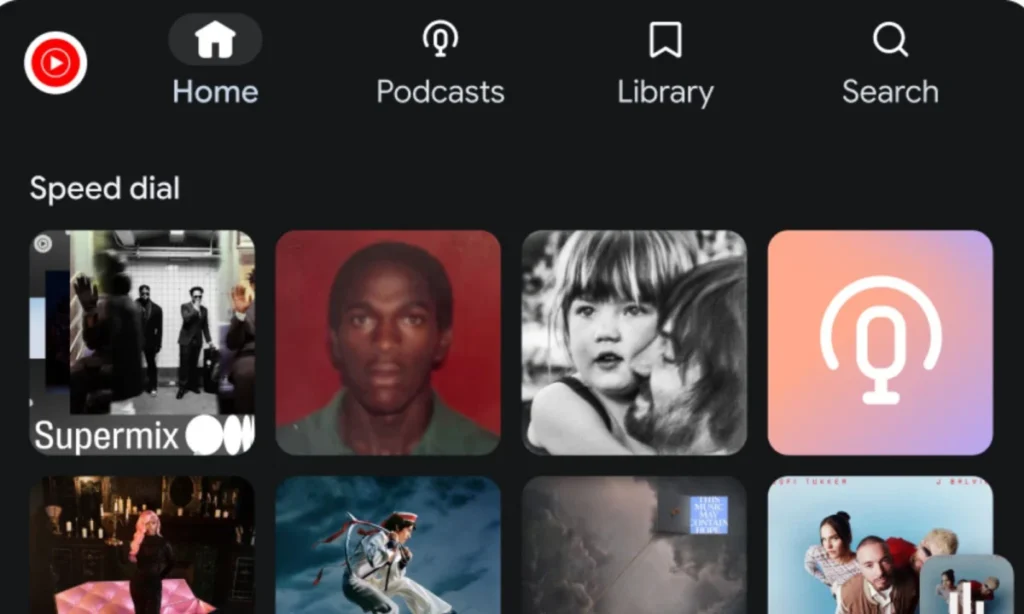
The most immediate change users will notice is a departure from the utilitarian, rigid interface of the past. Google is importing its Material 3 Expressive design language—the same aesthetic found on modern Pixel devices and Android 15—directly into the vehicle’s head unit.
Fluidity Meets Functionality
The transition to Material 3 is not merely cosmetic. It introduces a more fluid, organic aesthetic characterized by dynamic color-matching, smoother animations, and more legible typography. This design philosophy is aimed at reducing cognitive load; by making the interface feel more "alive" and less like a static grid, drivers can process information more intuitively.
The addition of customizable wallpapers and refined iconography allows for a level of personalization previously unseen in the Android Auto ecosystem. The result is an interface that feels cohesive with the car’s own interior design, rather than a tacked-on application.
Widgets: A New Standard for Glanceable Information
Historically, interacting with Android Auto meant navigating through menus, which—while safer than looking at a handheld phone—still requires a degree of focus that can distract from the road. The introduction of interactive, dynamic widgets addresses this directly.
Efficiency at the Speed of Sight
These new widgets are designed to provide "glanceable" information. Instead of diving into the settings menu to check the weather or toggling through apps to manage home security, users can now pin essential controls to their home screen.
- Smart Home Integration: With a single tap, a driver can open their garage door or adjust their home thermostat as they pull into their driveway.
- Contextual Updates: Weather, calendar alerts, and charging status for electric vehicles are now presented in a clean, high-contrast format.
This shift marks a move toward "proactive" rather than "reactive" software. By surfacing the information a user needs based on location or time of day, Google is reducing the number of physical taps required to execute common tasks.

Immersive Navigation: Seeing the Road in 3D
Navigation has always been the primary use case for Android Auto, but Google Maps is receiving a significant leap forward in capability through "Immersive Navigation."
Precision Mapping
Leveraging the vast data stores of Google Earth and Street View, the new interface provides a highly realistic 3D representation of the surrounding environment. This isn’t just about pretty graphics; it is about spatial awareness. The system now renders buildings, terrain, and complex overpasses in a way that aligns with the driver’s real-world perspective.
Perhaps most importantly for safety, the navigation system will now proactively highlight critical road infrastructure:
- Lane Guidance: Advanced lane-level precision for complex highway merges.
- Regulatory Cues: Enhanced visibility for traffic lights and stop signs, integrated directly into the turn-by-turn guidance.
These features are designed to minimize the anxiety associated with driving in unfamiliar, high-traffic urban environments.
The Parked Experience: Transforming the Cockpit
One of the more surprising elements of the update is Google’s strategy to utilize the vehicle as a "third space." Recognizing that drivers spend significant time waiting in their cars—whether at charging stations, school pickups, or during downtime—Google is expanding the entertainment capabilities of the system.
The In-Car Theater
When the vehicle is in a parked state, Android Auto now supports full HD video playback at up to 60 fps via YouTube and other streaming partners. This functionality is being rolled out to major automotive partners including BMW, Hyundai, Kia, Tata, Renault, and Mercedes-Benz.
To ensure safety remains the primary priority, Google has implemented a "fail-safe" protocol. The moment the car detects movement, all video content is immediately suppressed, switching to an audio-only mode. This seamless transition ensures that the entertainment experience never compromises the driver’s attention to the road.
Spatial Audio
Complementing the video upgrades is a push for higher-fidelity audio. The integration of Dolby Atmos support in compatible vehicles promises a theater-like soundstage, making long road trips significantly more immersive for passengers and drivers alike.

The Gemini Era: AI as the Intelligent Co-Pilot
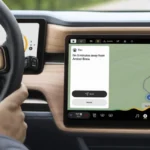
The most ambitious component of this update is the integration of Gemini, Google’s generative AI. Rather than relying on rigid voice commands, the new Android Auto is designed to be conversational.
Beyond Voice Commands
Gemini serves as a contextual assistant. If a warning light flickers on the dashboard, the driver can simply ask, "What does this light mean?" and receive an immediate, plain-English explanation, along with suggested next steps.
Furthermore, Google is introducing "Magic Cue," a feature that anticipates driver needs. For instance, if an incoming message arrives, the system doesn’t just read it out; it suggests context-aware replies or actions. In regions where it is supported, users can order food via DoorDash or join a Zoom meeting directly through the car’s voice interface.
Implications for the Automotive Industry
The implications of this update are significant for both consumers and automakers.
- Standardization: As Android Auto becomes more powerful, it creates a standard experience across different vehicle brands. A driver moving from a Kia to a Mercedes-Benz will find a consistent, familiar interface.
- The "Software-Defined Vehicle": This update accelerates the trend of the "software-defined vehicle." Automakers are increasingly leaning on tech giants to handle the user-facing interface, allowing car companies to focus on hardware and mechanical engineering.
- Safety and Regulation: As AI becomes more deeply embedded in the driving experience, regulators will likely be watching closely. Google’s commitment to "safety-first" design, such as the video-cutoff protocols, will be under intense scrutiny as these features move from beta testing to mass-market availability.
Conclusion: A New Chapter for the Commute
As we look toward the future of the automotive dashboard, it is clear that the days of the static, limited infotainment system are numbered. Google’s latest Android Auto refresh is not just a collection of new features; it is a fundamental shift in how we interact with our vehicles.
By balancing entertainment, advanced navigation, and powerful AI, Google is aiming to turn the stress of the daily commute into something more manageable—and perhaps, more enjoyable. Whether this will lead to a truly seamless experience or a new set of distractions remains to be seen. However, one thing is certain: the dashboard of 2026 will look, feel, and sound nothing like the dashboard of 2020.
For the driver, the promise of a smarter, more responsive co-pilot is an enticing prospect—provided the technology can deliver on its promise of making the road a safer place.