

When shopping for new tires, most consumers focus on the "Big Three": aesthetic tread patterns, brand reputation, and price. While these factors dictate the look and feel of your vehicle on the road, they often overshadow the most vital technical specification of all: the tire’s actual capacity to bear weight.
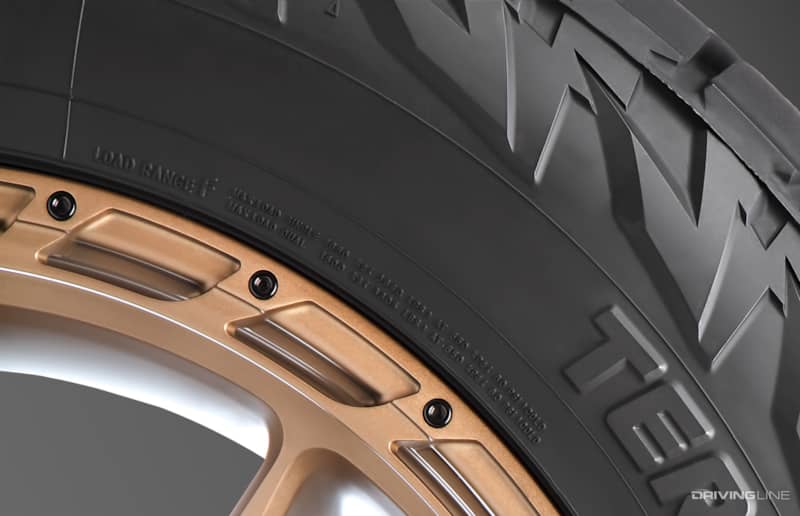
For many, the sidewall is a confusing alphabet soup of numbers and letters. We are accustomed to looking for a "Load Range" letter, such as C, D, E, or F. However, relying solely on these designations can be a dangerous oversight. In an era of advanced engineering, "Load Range" has become an increasingly outdated metric, often failing to accurately represent the true weight-bearing capacity of a tire. To truly ensure vehicle safety—especially for those who tow, haul, or venture off-road—it is time to demystify the "Load Index."
The Core Facts: What is a Load Index?
The Load Index is a numerical code assigned to a tire that corresponds to the maximum weight it can safely support when inflated to its recommended pressure. Unlike the generalized "Load Range" letter, which is based on an older, less precise system of ply ratings, the Load Index is an objective, quantitative specification.
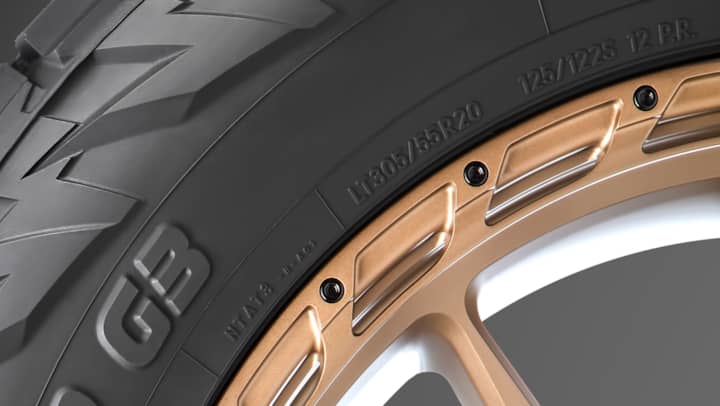
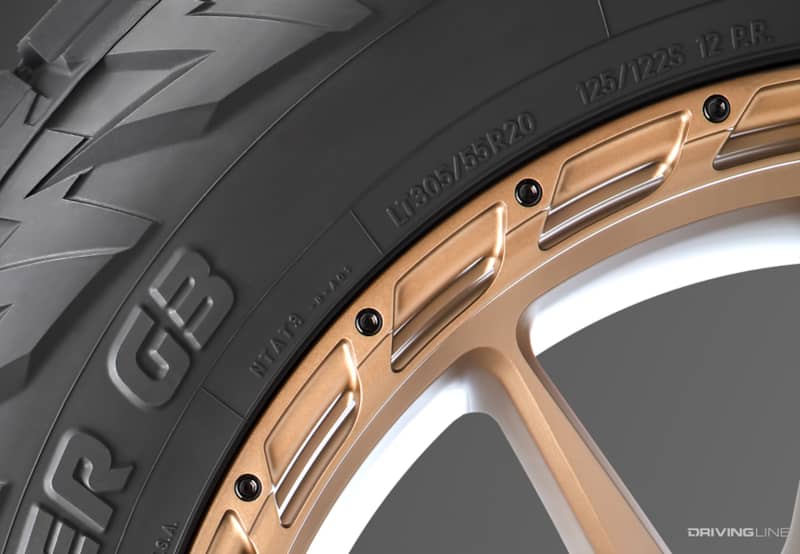
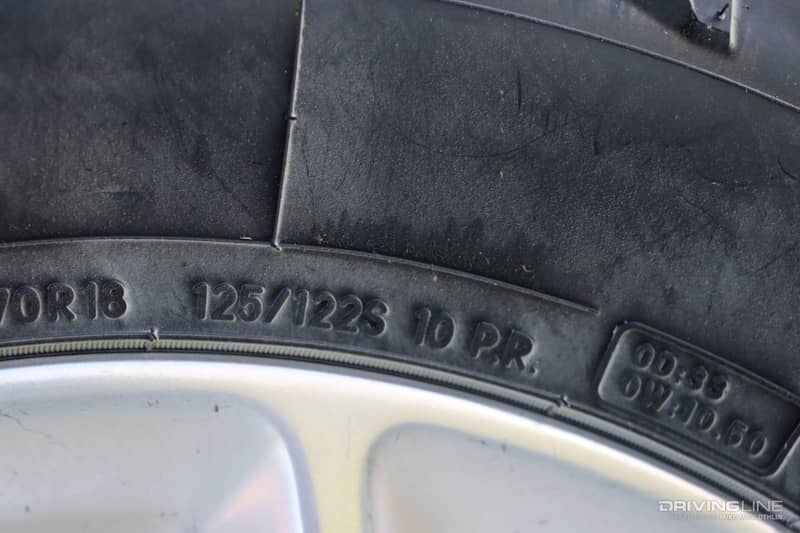
When you look at a tire’s sidewall, you will typically see a series of numbers and letters, such as "125/122S." In this example, "125" represents the single-tire load index, while "122" represents the dual-tire load index. These numbers do not equate directly to pounds or kilograms; instead, they act as a reference point. Each number corresponds to a specific capacity found on standardized charts managed by tire regulatory bodies. A higher number indicates a higher load capacity, providing a clear, unambiguous measurement for the consumer.
A Brief Chronology: The Shift from Ply Ratings to Load Indexes
To understand why the industry is moving toward Load Index, one must look at the history of tire construction.
- The Era of Bias-Ply: Historically, tires were constructed using bias-ply methods. The number of plies (layers of fabric) directly correlated to how much weight a tire could carry. A "10-ply" tire was, by definition, stronger and capable of carrying more weight than a "6-ply" tire. This is where the letter-based Load Range (A through F) originated.
- The Radial Revolution: With the advent of radial tire technology and high-strength materials like steel, aramid, and advanced synthetics, the physical "ply count" became irrelevant to strength. A modern "10-ply rated" tire might only have two or three physical plies of advanced material that are significantly stronger than the old bias-ply counterparts.
- The Standardization Move: Because the physical ply count no longer accurately reflected weight capacity, the Load Index was adopted as the universal standard. It allows engineers to designate a precise weight capacity regardless of how many layers are used to build the carcass.
Supporting Data: Why Load Range Can Be Misleading
The danger of relying on "Load Range" is that it is not standardized across brands or even across different lines from the same manufacturer.
Consider a scenario where a consumer is upgrading their truck tires. They might assume that any tire with an "E" load range is superior to a "D" load range tire. However, empirical data shows this is frequently false. We have documented cases where an "E" rated tire has a load index of 109, allowing it to support 2,271 pounds. Conversely, some "D" rated tires have been found with a load index of 118, allowing for 2,910 pounds of support.
If you purchase tires based solely on the letter, you could inadvertently downgrade your vehicle’s payload capacity, even if the tires look "beefier" or more rugged. The data is clear: the Load Index is the only metric that guarantees you are maintaining the structural integrity required for your vehicle’s Gross Vehicle Weight Rating (GVWR).
Implications of Overloading: The Hidden Risks
When you ignore the Load Index and exceed the weight limit of your tires, the consequences are rarely immediate but are often catastrophic.
- The Initial Warning: The first sign of an overloaded tire is visual. You may notice "sidewall sag," where the tire appears under-inflated even when it is filled to the recommended PSI.
- Premature Wear: If you continue to drive, the heat generated by the excessive flexing of the sidewall will cause the tread to wear unevenly and rapidly. The internal structure begins to break down long before the rubber appears bald.
- The Catastrophic Failure: In a worst-case scenario, the tire will suffer a blowout. At highway speeds, this is a life-threatening event. Beyond the immediate danger of losing control, the resulting explosion can destroy the vehicle’s fender well liners, rip off fender flares, and cause thousands of dollars in body damage.
Official Guidance and Industry Best Practices
Industry experts, including representatives from leading manufacturers like Nitto, emphasize that the Load Index is the "gold standard" for safety. When replacing tires, the rule of thumb is simple: Never go lower than the factory-specified Load Index.
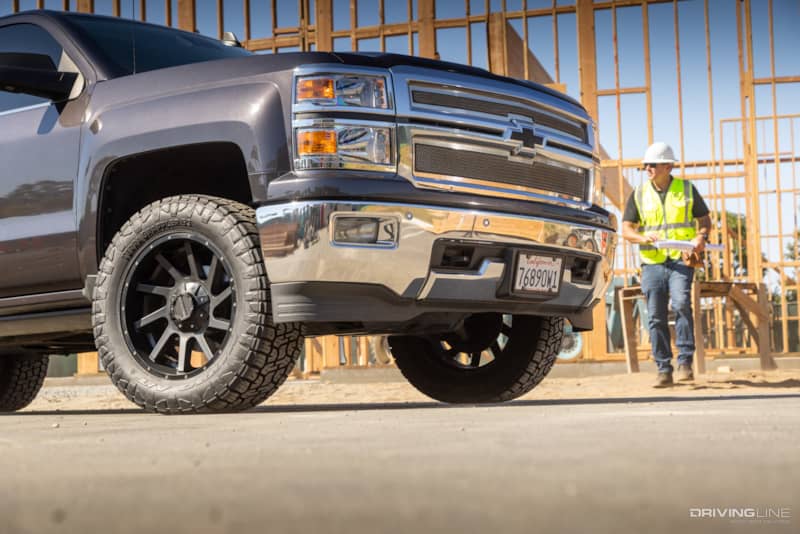
- The GVWR Factor: Your vehicle’s manual lists the Gross Vehicle Weight Rating (GVWR). If you have a single rear wheel truck with a 10,000-pound GVWR, your tires must collectively support that weight plus a margin of safety. If your tires have a load index of 125, each tire carries 3,638 pounds. Four of those tires provide a total capacity of 14,552 pounds—well within the safe margin for that truck.
- The Inflation Variable: It is critical to remember that the Load Index rating is only valid if the tire is inflated to its maximum rated pressure. If you are hauling a heavy load, you must adjust your tire pressure to the manufacturer’s "Max PSI" specification. However, this comes with a trade-off: higher inflation pressure typically results in a stiffer, less comfortable ride.
- Cold Inflation Accuracy: Always measure your tire pressure when the tires are "cold" (driven less than a mile). Measuring after a long drive will result in a false high reading due to heat expansion, which can lead to under-inflation and subsequent overloading.
Comparative Case Studies: The 35 vs. 33-inch Dilemma
To further illustrate the complexity, consider two versions of the same tire: the 35×12.50R17LT and the 33×12.50R17LT. Both are "F" rated. An uninformed consumer might assume that because they share the same Load Range, they have the same capacity.
However, the 35-inch tire features a 128 Load Index (3,970 lbs), while the 33-inch tire features a 124 Load Index (3,525 lbs). Choosing the 33-inch tire thinking it is "the same" as the 35-inch tire would result in a loss of nearly 450 pounds of capacity per tire. This discrepancy highlights why the Load Index number is the most important piece of information on the sidewall.
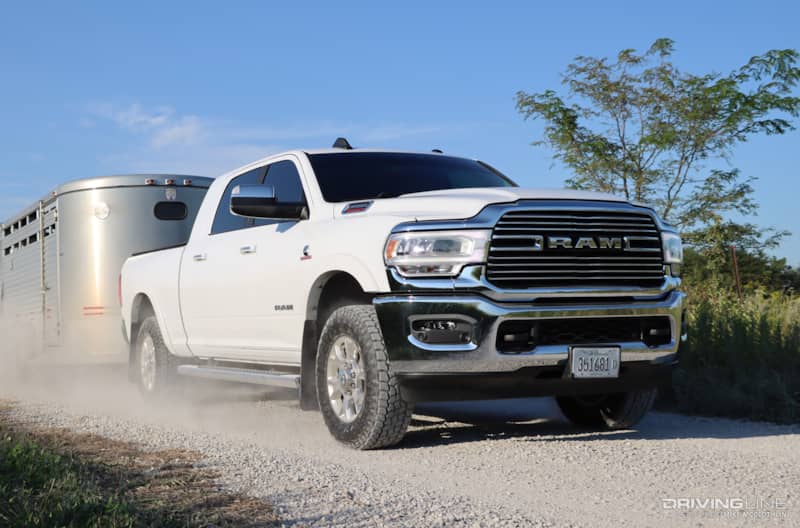
Conclusion: Making Informed Decisions
The next time you are standing at the tire shop counter, look past the aggressive tread blocks and the fancy brand logos. Locate the tire size on the sidewall and find the alphanumeric code. Identify the Load Index number and compare it to your vehicle’s factory specifications.
If you are upgrading to larger tires for off-roading or towing, you are welcome to increase your Load Index to gain extra headroom for heavy cargo. However, never, under any circumstances, sacrifice that number for the sake of price or aesthetics. Your tires are the only four points of contact between your vehicle and the road; treating the Load Index as a mandatory safety specification is not just a recommendation—it is a necessity for the longevity of your vehicle and the safety of everyone on the road.